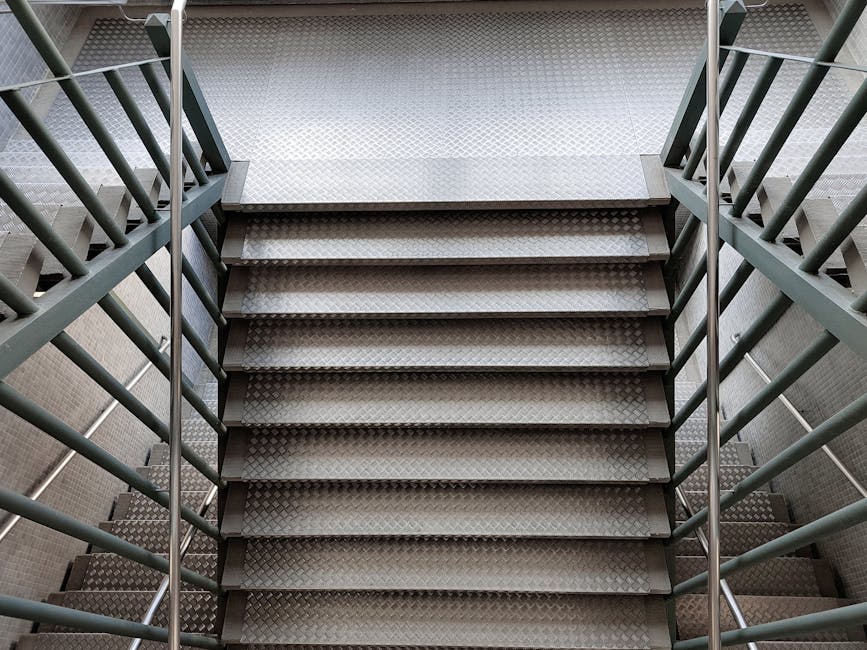
Handling narrow staircases and access issues in Mile End
Posted on 02/06/2026
Handling Narrow Staircases and Access Issues in Mile End
Moving through tight hallways, steep staircases, and awkward landings can turn a simple removal into a full-on puzzle. If you are handling narrow staircases and access issues in Mile End, you already know the drill: the sofa looks fine in the lounge, then suddenly the staircase says otherwise. It is a familiar London problem, especially in older flats, converted houses, and compact terraced homes where every corner seems to have an opinion.
This guide breaks the process down in plain English. You will learn how access is assessed, how to prepare properly, which items cause the most trouble, and when it makes sense to bring in specialist help. We will also cover practical checks, common mistakes, and the sort of planning that saves both time and bruised walls. Truth be told, a careful approach usually matters more than brute strength.

Why Handling narrow staircases and access issues in Mile End Matters
Access problems are not just a nuisance. They shape the whole move. A narrow staircase can affect what vehicle you choose, how many people you need, how you protect the property, and whether certain items can even be moved in one piece. In Mile End, that matters because many homes and flats were not designed with modern bulky furniture in mind.
Let's face it: a narrow staircase is not the place to discover that your wardrobe needs an extra 10 centimetres of turning space. Once you are part-way through the move, delays get expensive in all sorts of quiet ways. The team may have to pause, reassess, dismantle furniture, or take an item back out and try a different route. None of that is ideal when the clock is ticking and neighbours are trying to get past with shopping bags and pushchairs.
There is also the safety angle. Tight access can increase the risk of dropped items, strained backs, scraped walls, and damaged banisters. A good moving plan reduces those risks before they become problems. It is less glamorous than lifting on the day, sure, but it is the bit that keeps the day calm.
For anyone planning a flat move, flat removals in Mile End usually need extra attention at the access stage, because the staircase often decides the moving method more than the inventory does.
How Handling narrow staircases and access issues in Mile End Works
The process starts with understanding the route, not the item. A reliable mover will look at the path from the van to the room: pavement, front step, hallway width, stair turns, ceiling height, door frames, and any awkward bends or split levels. If something looks tight in a quick glance, it usually is tight in reality. Funny how that works.
Once the access route is clear, the next step is matching the item to the route. That might mean measuring a sofa, removing feet from a wardrobe, taking a bed frame apart, or using protective wrapping so corners do not catch on painted walls. For some pieces, the best solution is a controlled carry using straps, a dolly, or two-person handling. For others, dismantling is the smarter route.
Timing matters too. In busy residential streets, it can be easier to move during a quieter window so the van can park closer to the entrance. In a place like Mile End, where road access and shared entrances can be tight, every extra metre matters. A short carry is not just convenient; it reduces risk.
The best teams also think about the landing as a working space. Stair landings are often where moves slow down, because that is where turns, pauses, and awkward pivots happen. If you have ever watched a mattress get "stuck" at a landing, you know exactly why planning here matters. One wrong angle and suddenly everyone is just standing there, half-laughing, half-sighing.
Key Benefits and Practical Advantages
Good access planning is not only about avoiding damage. It gives you a move that feels controlled rather than chaotic. That sounds obvious, but the difference is huge on the day.
- Fewer delays: measured access means fewer surprise pauses and less reworking.
- Lower damage risk: walls, rails, and furniture are more likely to stay intact.
- Better safety: fewer awkward lifts and fewer rushed decisions on stairs.
- Smarter vehicle choice: the right van and loading plan reduce unnecessary trips.
- Less stress: if you know the route will work, the rest of the move feels manageable.
There is a hidden benefit people often overlook: better communication. When everyone knows where the pinch points are, the move becomes smoother for the movers, the customer, and even the neighbours who have to step aside for two minutes. Not glamorous, but important.
Another practical upside is cost control. A move that is planned properly is less likely to involve unplanned labour, repeat trips, or last-minute changes. That does not mean every access problem can be solved cheaply, but it does mean you are not paying for avoidable confusion.
Who This Is For and When It Makes Sense
Handling narrow staircases and access issues in Mile End is relevant to a lot of people, not just those in top-floor flats. If any of the following applies, it is worth planning access properly from the start:
- you live in a converted house with a tight internal staircase
- you are moving into or out of a maisonette
- your furniture is bulky, heavy, or awkwardly shaped
- your building has awkward turns, low ceilings, or a narrow hallway
- you are moving at short notice and cannot waste time testing routes on the day
- you need help with a piano, large sofa, or bed frame
Students and first-time movers often benefit too, especially in shared houses and compact flats. If you are living light, the access issues might look small. Then the desk, mattress, and wardrobe arrive and the staircase suddenly becomes the main character in the story.
If you are moving household furniture, it also helps to look at furniture removals in Mile End early, because the dimensions of the item are only half the story; the route is the other half. For smaller or faster jobs, a man with a van in Mile End can be a sensible fit when the load is modest but access is still awkward.
Step-by-Step Guidance
If you want a practical way to deal with tricky access, this is the process that usually works best.
- Measure the route properly. Measure stairs, landings, door widths, and the biggest item dimensions. Do not guess. Guessing is where moves get dramatic.
- Photograph the access points. Take clear pictures of the front entrance, hallway, staircase, and any tight corners. Photos help identify problems before move day.
- List awkward items separately. Sofas, wardrobes, mattresses, glass cabinets, and pianos often need different handling from the rest of the load.
- Decide what can be dismantled. Remove legs, doors, shelves, bed slats, or other detachable parts where safe and practical.
- Protect surfaces. Use covers, blankets, and corner protection to reduce the chance of scuffs on walls or banisters.
- Plan the order of loading. Put the most awkward item handling first, not last, so nobody is already exhausted when the difficult piece appears.
- Keep a fallback plan. If an item will not clear the staircase, decide in advance whether it should be dismantled further, moved via a different route, or stored temporarily.
A lot of people skip the "fallback plan" bit and regret it later. If you are waiting at the bottom of the stairs with a sofa that definitely, definitely will not turn, you are already behind. Better to decide that in daylight, with a cup of tea and no pressure.
For home moves with multiple rooms and more varied furniture, house removals in Mile End can be a better match because the planning can cover both the large items and the awkward access points together.
Expert Tips for Better Results
Here are the details that make the biggest difference in real life. These are the small things that save the day.
- Remove clutter before the move. The less you carry, the less you have to manoeuvre. A quick declutter can make a staircase move much easier. If you need a structured approach, the decluttering guide before a move is a useful place to start.
- Pack by weight, not by room emotion. Heavy items belong in smaller boxes. That keeps them manageable on stairs.
- Use decent packing materials. Weak boxes collapse at the worst moment. Usually when you are already three steps up.
- Wrap corners and edges. A little padding stops chips on furniture and paint.
- Keep stair landings clear. Do not turn landings into storage areas. They need to stay open for manoeuvring.
- Communicate before each lift. One person should call the move. If two people try to lead at once, things get messy fast.
There is also value in choosing the right moving style. A same-day turnaround can work for smaller jobs, but only if the access has been checked properly. For urgent situations, same-day removals in Mile End can help when you need speed and coordination in one go.
And if you are dealing with furniture that really does not like staircases, it is worth reading about safe ways to lift heavy items and the mechanics of lifting. Not because you need a lecture, but because a bit of technique makes the carrying feel much less heroic and much more sensible.

Common Mistakes to Avoid
Most access issues are made worse by one of a handful of predictable mistakes. You do not need to make them twice.
- Assuming the item will "just fit". It may not. Angles matter as much as measurements.
- Not checking the landing size. A staircase can be wide enough while the landing is the real problem.
- Forgetting door swing and hinge space. Doors can be the hidden obstacle.
- Overloading boxes. A heavy box on stairs is harder to control and more likely to split.
- Skipping protective padding. One scratch on a banister can become a frustrating repair.
- Trying to rush the awkward bit. The tight corner is not the moment for speed.
One of the more common surprises is a piece of furniture that fits vertically but not diagonally. People often forget that you need space not just for the object, but for your hands, turning angle, and safe footing. That is why a move that looked simple online can become a staircase challenge in real life.
If your move involves a bed, it is especially worth reviewing bed and mattress moving techniques before the day. Those items look straightforward until you reach a tight bend and realise the mattress has other plans.
Tools, Resources and Recommendations
You do not need a warehouse full of equipment, but the right tools make a noticeable difference.
| Tool or Resource | Why It Helps | Best Use |
|---|---|---|
| Measuring tape | Confirms stair, landing, and furniture dimensions | Before booking and before move day |
| Furniture blankets | Protects surfaces from knocks and scuffs | Large items, railings, door frames |
| Straps | Improves control and balance during carrying | Heavy or awkward items |
| Corner protectors | Reduces accidental damage to walls and furniture | Soft furnishings, cabinets, stairs |
| Disassembly tools | Lets you remove legs, handles, or fittings safely | Wardrobes, beds, modular furniture |
For better packing outcomes, the practical advice in stress-free packing tips is worth a look, especially if your access route is already tight and you want boxes to behave themselves. If you are moving into storage first, storage in Mile End can be useful for splitting a move into manageable stages.
Specialist items need specialist thinking. A piano, for instance, is not just heavy; it is awkward, delicate, and unforgiving of bad angles. That is why piano removals in Mile End and the related guide on why professional piano moving matters are so relevant when access is tight.
Law, Compliance, Standards, or Best Practice
For domestic moves, the most useful rule is simple: protect people and property. In the UK, moving work should follow sensible manual handling practice, good risk awareness, and clear communication. You do not need to turn the day into a legal seminar, but you do need safe lifting, safe carrying, and a proper plan for access.
In practical terms, that means avoiding unnecessary heavy lifts, reducing trip hazards on stairs, and not asking one person to do a job that clearly needs two. It also means using suitable equipment and working within the limits of the staircase, not against them. A narrow stairwell is not a place to improvise wildly. That is how walls get marked and ankles get twisted. Nobody wants that, obviously.
Where a mover offers support, it is sensible to check their public information on things like health and safety policy, insurance and safety, and accessibility statement. Those pages help set expectations and show how the work is approached. For peace of mind, it is also worth reading the company's terms and conditions so there are no surprises about access, item handling, or service limits.
Best practice in this area is not about fancy jargon. It is about planning, care, and honesty. If a sofa will not fit safely, the right answer is not to force it. It is to change the method.
Options, Methods, or Comparison Table
When access is tight, there is usually more than one possible approach. The best one depends on the staircase, the item, and the time available.
| Method | Best For | Strengths | Limitations |
|---|---|---|---|
| Careful two-person carry | Medium-sized items with manageable weight | Simple, quick, low equipment needs | Can be risky on very tight turns |
| Dismantling furniture | Wardrobes, beds, modular items | Often solves access issues cleanly | Needs tools and time, some pieces are less easy to rebuild |
| Use of lifting aids | Heavy or awkward objects | Improves control and safety | Still needs trained handling and space |
| Storage-first move | When access or timing is uncertain | Reduces pressure on move day | Requires extra coordination |
| Specialist removals service | Large, valuable, or difficult items | Best for complex access and delicate loads | May be more involved than a simple van hire |
For some people, a general moving service is enough. For others, the access problem changes the whole plan. If you are comparing approaches, removal services in Mile End and local removal companies can be reviewed alongside the more specific removals in Mile End page to help you decide what fits your situation.
Case Study or Real-World Example
Imagine a second-floor flat in Mile End with a narrow staircase and a bend halfway up. The move includes a sofa, a double bed, a chest of drawers, and a few boxes. On paper, it sounds manageable. In practice, the sofa is the problem.
The mover measures the staircase first and quickly sees that the sofa will not turn safely in one piece. Instead of trying to force it, the team removes the feet, wraps the arms, and tests whether the angle changes enough to work. It does not. So the sofa is carried out and the room is cleared for a second plan. The bed frame is dismantled, the mattress is protected with a cover, and the drawers are emptied to reduce weight before carrying.
Because the access issue was identified early, nobody is stuck improvising at the front door while the clock runs. The load goes in stages, the landing stays clear, and the walls remain unmarked. Not a dramatic tale, maybe, but a successful one. And honestly, that is usually what you want from a move.
This is also where local knowledge helps. Moves in compact streets, converted flats, and older buildings around Mile End can benefit from experience with tricky layouts. If you are dealing with a flat-to-flat relocation, the article on flat-to-flat move solutions on Bancroft Road shows the kind of planning that keeps a compact move under control.
Practical Checklist
Use this checklist before move day. It keeps the process grounded and stops small access issues becoming big ones.
- Measure the staircase, landing, and door frames
- Measure the largest furniture items in advance
- Take photos of access points and tight corners
- Decide which items can be dismantled safely
- Clear hallways, landings, and entrance areas
- Prepare blankets, straps, and protective covers
- Pack heavy items into smaller boxes
- Confirm parking and loading access for the van
- Flag fragile, valuable, or awkward items early
- Keep a backup plan for anything that may not fit
If you are moving on a student budget or with a smaller load, it may also be worth exploring student removals in Mile End, especially where the job is more about smart handling than sheer volume. And for smaller jobs with a tight timetable, a man and van service in Mile End can be a neat fit.
Get a free quote today and see how much you can save.
Conclusion
Handling narrow staircases and access issues in Mile End is really about preparation, judgement, and calm execution. The staircase itself does not have to become the villain. If you measure properly, choose the right method, protect the property, and move with a bit of patience, even awkward access can be managed without drama.
The best moves feel uneventful, and that is a compliment. Nothing breaks, nothing jams, nobody panics, and the kettle is unpacked before the first box of books. That is the kind of quiet success worth aiming for.
When in doubt, slow down, reassess, and choose the safer route. A tidy move beats a rushed one every single time.