Man with Van in Mile End

Our man with van in Mile End service is set up for straightforward local moves, single-item transport and smaller clearances that need careful loading rather than a full removal crew. It gives households, landlords and businesses a practical way to move furniture, boxes and awkward items across East London without overcomplicating the job. If you need items carried from a flat, a shop, a storage unit or an office, this service is built around that kind of transport work.
We focus on sensible moving support: lifting, loading, securing, driving and unloading in the right order so items travel safely and arrive where they should. That may include help with sofas, beds, appliances, office chairs, archive boxes or mixed household contents. When the move needs a more structured approach, our service can still stay flexible, which is often useful for customers who want a clear, direct and manageable move rather than a large and complex operation.
For a simple start, you can look at our pricing and quotes page and then use the contact details on the website to ask for a quotation. If you already know roughly what needs moving, a short message can be enough to begin. We can then discuss the size of the load, the collection and delivery points and any access points that matter to the job.
What our Mile End van moving service covers
The service is designed for practical transport rather than empty promises. It is suitable when the main need is to move items efficiently and keep the process manageable, especially where stairs, shared entrances or limited parking make the work more awkward. We can help with one-off collections, repeat transport runs and mixed loads that do not justify a full-size removals team. The emphasis is on useful assistance at the point where items must be moved carefully and in the right sequence.
Typical jobs may involve a few large pieces, several medium items or a carefully packed collection of smaller goods. That might include a wardrobe and mattress, a set of office chairs and desk parts, a student room move, or stock transfer between premises. Good loading matters because it helps protect both the goods and the vehicle space. Our approach is to keep items stable, group them sensibly and make the journey as orderly as possible.
When the move includes fragile or valuable possessions, the planning needs to be more deliberate. It helps to separate delicate items, note anything that requires special handling and think about how things will be carried to and from the vehicle. A short, accurate description makes it easier to judge the best size of van and the time needed, and it also reduces avoidable delays on the day.
Home moves and small flat relocations

Many customers use a man and van service for compact home moves where the load is manageable but still needs care. This can suit studio flats, shared houses, first homes and downsizing moves where the aim is to move the essentials without overpaying for capacity that will not be used. The work often includes lifting from upper floors, carrying through communal areas and arranging the load so that household pieces stay organised together.
For domestic transport, the main decision is often what should travel in the vehicle and what should be prepared separately. Bedding, dismantled furniture, kitchen items, mirrors and boxed possessions may all need different handling. Padding, tie-downs and sensible stacking are important because even a short journey can shift items if they are not secured properly. A well-planned move makes unloading quicker too, particularly when items need to go into specific rooms.
If you are comparing options for a home move, it helps to consider access at both ends, whether anything needs dismantling and whether you will need more than one trip. These practical details affect the type of vehicle and the time required, so they are worth setting out clearly. You can keep things simple and ask for a quotation once the main pieces and addresses are known.
Furniture, appliances and awkward items
Moving furniture is often the main reason people choose this service. Sofas, beds, tables, wardrobes and cabinets can be transported individually or as part of a broader collection. Some items are straightforward; others are bulky, heavy or awkwardly shaped and need a bit more care at doorways, stair turns or loading bays. Our service is intended to handle that everyday moving work without unnecessary complication.
We can also help with transport of suitable appliances and boxed household goods where safe handling is possible. White goods are heavy and unforgiving if they are not supported correctly, so the aim is to keep them upright where appropriate, prevent movement in transit and avoid damage to surfaces around the home or delivery point. The same applies to items with glass, polished finishes or removable parts that should be carried separately.
Where furniture needs dismantling before transport, it is best to keep screws, fittings and small components together in one labelled bag. That makes reassembly easier and reduces confusion when the goods reach the new location. If you are unsure whether a particular item can be moved efficiently, it is sensible to describe it in plain terms rather than assuming the van space will be enough on its own.
Office removals and commercial transport

Our moving support is not limited to homes. It also suits small office relocations, deliveries between business premises and transport of stock or equipment that needs a dependable local move. Office work often needs a neat and methodical approach because desks, chairs, files, screens and cartons are easier to manage when they are grouped by destination or department. That is where a compact vehicle service can be particularly useful.
For commercial customers, timing and order matter. A reception move, a back-office shift or a set of archive boxes may all need to leave the current premises together and arrive in a sequence that keeps the business day manageable. We can help with the physical transport part of that process, while the customer keeps control of office layout, internal decisions and any specialist IT arrangements that may be required. Clear labelling is useful here because it keeps items together when they are unloaded.
If you are arranging a business move, it is helpful to note whether the vehicle needs parking close to the entrance, whether there are time restrictions and whether lift access is available. Those factors influence how the job is handled and whether the work is best completed in one run or split into more than one load. A concise summary is usually enough to start a quotation request.
Packing, loading and protecting your items
Good transport work starts before the van moves. Packing and loading decisions make a noticeable difference to the condition of the load at the end of the journey. Boxes should be closed properly, fragile items should be separated and lighter objects should not be crushed under heavier ones. For mixed loads, the vehicle space needs to be used in a way that keeps weight balanced and prevents movement while travelling through Mile End and beyond.
There is no need to overpack every item, but there is real value in preparing things so they can be handled efficiently. Books, kitchenware, soft furnishings and small appliances each behave differently in transit, so they should be grouped with that in mind. If you would like help with the preparation stage, the service can include practical loading support and careful arrangement in the van. That keeps the focus on safe movement rather than rushed stacking.
Some customers also want assistance with unpacking at the delivery point. That may mean placing boxes in the correct rooms, lifting furniture into position and separating the most important items first. It is usually best to agree the scope in advance so the move runs smoothly. When the load is better prepared, the overall process tends to be faster and easier to manage.
Choosing the right van service for the job
Not every move needs the same level of support. A single sofa collection, a partial house move and a small office transfer may all call for different planning even though they sit within the same broad service. The best choice depends on what is being carried, how far it is going and whether access is straightforward or restricted. Our role is to provide a van-led moving option that stays proportionate to the job.
Useful information for this stage includes a list of the main items, whether there are any particularly heavy pieces, and whether loading happens from a ground floor or upper floor. It also helps to mention if the delivery point is residential or commercial, because that can affect unloading order and access planning. When those details are clear, it becomes easier to match the work to the van and keep the process efficient.
In many cases, the right option is simply the one that avoids unnecessary disruption. A modest move should not be made more complicated than it needs to be, and a well-organised van service can provide exactly that balance. If your job is slightly unusual, tell us what makes it unusual and we can discuss the best way to move it.
About Mile End
Mile End is an East London district in the London Borough of Tower Hamlets, set within a dense urban part of the capital that has long been shaped by movement, infrastructure and mixed residential life. The area takes its name from its historic position roughly one mile east of the former Aldgate, a reminder of the older route-based geography that once structured travel into and out of the City of London. Today, Mile End sits between better-known inner-London districts and is connected by major roads, the Underground and local walking routes that reflect its everyday role as both a residential neighbourhood and a point of passage. The Regent’s Canal runs nearby, adding a quieter waterway corridor to an otherwise built-up landscape, while Mile End Park provides an important strip of green space within the district. The park links to the wider Mile End area and contributes to the mix of housing, leisure and movement corridors that define the neighbourhood. Architecture here is varied rather than uniform: post-war housing estates, Victorian terraces, university buildings and newer apartment blocks sit close together, creating a layered streetscape. The presence of Queen Mary University of London brings an academic dimension to the area, with student life and campus activity adding to the pace of the neighbourhood. Nearby cultural and sporting landmarks, including access to the wider East End network of markets, galleries and community spaces, reinforce Mile End’s position as part of a busy and continually changing part of London. Its character is urban, practical and historically grounded, with the canal, parkland, transport links and varied housing all contributing to a place that is more than a simple stop on the Tube map.
Quotation details and practical planning

To prepare a quotation, it is usually enough to set out the main items, the collection and delivery points and any access issues that may affect the move. If there are stairs, tight hallways, long carries or restricted parking, those details matter. They help determine how the work should be scheduled and how many hands are likely to be needed for lifting and loading. A simple description in plain language is usually better than trying to make the job sound bigger or smaller than it is.
When possible, it also helps to say whether the load is already packed, whether anything needs dismantling and whether the move includes a return run or a drop-off at storage. Those points shape the transport plan and make the quotation more accurate. Accuracy saves time for everyone involved, because the move can be arranged around the real conditions rather than guesswork. If your schedule is tight, mention that as well so the job can be discussed sensibly.
For a straightforward enquiry, you do not need a long checklist. A few clear details will do, followed by a request for a quotation through the contact route on the website. If you prefer, you can first review the service pages to see which type of moving help best fits your requirements before you get in touch.
Supporting local moves with a flexible approach
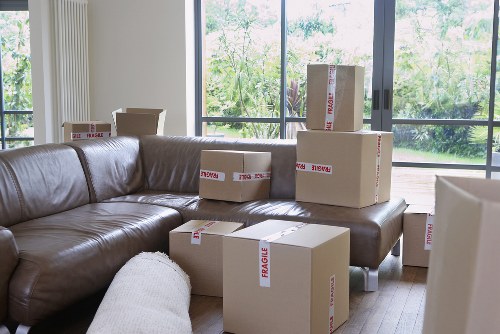
Our van-based moving service is intended to stay useful across different kinds of local transport work, from one-off furniture collections to small domestic or business moves. It is a practical option when the job needs care and organisation, but not a full-scale removals package. The aim is to make the process manageable by handling the lifting, loading and journey in a way that fits the size of the task. That balance is often what customers want from a local move.
Different loads call for different handling. Some items are best carried on their own, some should be wrapped or separated, and some benefit from a planned order of loading so they can be unloaded in the right sequence. If you are moving valuable, delicate or unusually shaped possessions, it is worth mentioning that from the start. The more clearly the work is described, the easier it is to plan the vehicle space and the handling method.
To begin, you can review the most relevant service information on the website and then send through the details of your move. A short outline is enough to ask for a quotation, and if you already know what needs collecting or delivering, you can put that in your message today.
Internal moves, collections and final arrangements
Some jobs sit between a standard home move and a simple collection. They may involve moving items from storage, shifting contents from one part of a property to another, or transporting recently purchased furniture from a shop or warehouse. These are all well suited to a man with van service because they usually need practical lifting, careful handling and a route that can be completed without fuss. The key is to keep the task focused and work through it in an orderly way.
At the delivery end, a little forward thinking helps a great deal. If certain items must go into specific rooms, it is useful to say so before the move starts. If you need things placed safely rather than assembled, that can also be agreed in advance. The service is transport-led, so the more clearly the final arrangement is described, the easier it becomes to complete the job in the right order and without unnecessary backtracking.
If you are ready to talk through the move, get in touch for a quote and describe the items, the route and any access details. For many customers, that is enough to get the process underway and decide whether the job is best handled as a single journey or in stages.