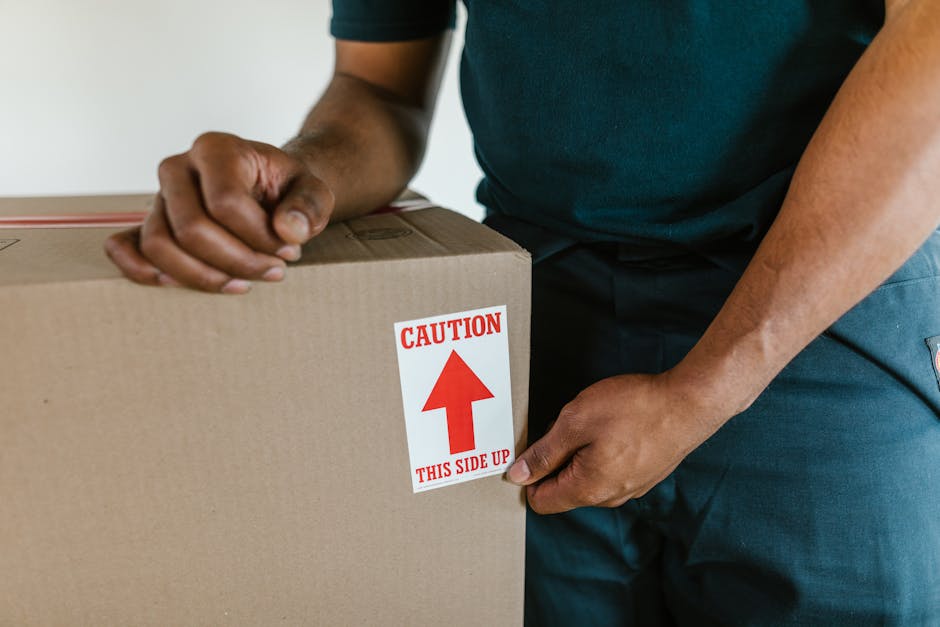
Mile End Park moving tips for fragile and bulky items
Posted on 14/05/2026
Mile End Park Moving Tips for Fragile and Bulky Items
Moving in or around Mile End Park can look straightforward on paper, then suddenly become a bit of a puzzle once you are standing in a narrow hallway with a lamp, a mirror, a sofa, and a box of glassware that really should not wobble even slightly. That is exactly where Mile End Park moving tips for fragile and bulky items become useful: not as theory, but as practical, calm guidance for the awkward bits of a move that people tend to underestimate.
Fragile items need cushioning, planning, and patience. Bulky items need route checks, proper lifting, and the right vehicle or team. Put those two together and you get the kind of move that can go smoothly or sideways very quickly. The good news? A few sensible decisions, made early, can save time, money, and a lot of "why did we put that there?" moments later on.
This guide walks you through the process in a way that is useful whether you are moving from a flat near Mile End Station, shifting furniture into storage, or trying to get a heavy item down a tight staircase without scuffing the walls. You will find packing advice, lifting and handling tips, compliance pointers, and a realistic checklist you can actually use.
Why Mile End Park moving tips for fragile and bulky items Matters
Moves around Mile End Park often involve a mix of older flats, compact stairwells, street parking considerations, and the usual London reality of not having loads of spare space. That makes fragile items more vulnerable and bulky items more awkward than they first appear. A dining table may fit in the room perfectly, but getting it out of the property can be the part that makes everyone pause.
Fragile items matter because they are often personal as well as valuable. Think framed prints, crockery, glass shelves, monitors, lamps, instruments, and anything with sentimental value. Bulky items matter because they demand technique. You cannot just "carry on and hope"; not with a wardrobe, piano, sofa bed, or American-style fridge. Let's face it, hope is not a moving strategy.
Good planning reduces breakages, avoids injury, and helps you make better choices about whether to DIY, hire a man with a van in Mile End, or book a more specialist removal service in Mile End. It also helps if your move includes storage, because some items need extra care once they are wrapped and waiting. If that sounds familiar, a practical read on stress-free packing can be a helpful companion guide.
There is also a bigger picture here. Moving well protects your time, your back, your walls, and your budget. One chipped TV stand or one snapped corner on a cabinet can become a frustrating chain reaction. A careful move is not flashy. It is just quieter, cleaner, and far less annoying the next morning.
How Mile End Park moving tips for fragile and bulky items Works
The process works best when you split the job into two tracks: fragile protection and bulky-item handling. They overlap, but the risks are different. Fragile items are mainly about movement, cushioning, and temperature or moisture exposure. Bulky items are about weight distribution, access, and control.
For fragile items, the aim is to stop internal movement inside boxes and stop the boxes from being crushed, tipped, or stacked badly. That means using the right size box, enough padding, and clear labelling. For bulky items, the goal is to reduce load on people and property. That means measuring doorways, removing obstacles, using lifting aids, and choosing the safest route rather than the shortest one.
In practical terms, a sensible move often begins with a walkthrough. Check the size of the item, the item's weight, the route out of the property, and the vehicle access outside. A sofa that seems manageable in the lounge can turn into a stubborn triangle at the stair turn. A mirror that looks light can still be a nightmare if it has no safe grip points. This is where a little patience pays off.
Many people in Mile End Park also combine moving with decluttering or temporary storage. That is smart. The fewer items you move, the less chance there is of damage or stress. If you are deciding what stays and what goes, the decluttering before a move guide is worth a look. And if you need somewhere secure for part of your load, storage in Mile End can make the logistics much easier.
Key Benefits and Practical Advantages
The biggest benefit is simple: less damage. But there are several other advantages that matter just as much on moving day.
- Lower breakage risk: Proper wrapping and loading reduce knocks, pressure cracks, and crushed corners.
- Safer lifting: Planning the move route and weight distribution protects your back and shoulders.
- Faster loading and unloading: If items are labelled and grouped, the whole job tends to flow better.
- Cleaner handover: You are less likely to leave scuffs, scratched floors, or damaged walls behind.
- Less stress on the day: The move feels more controlled, which is a very underrated benefit.
There is also a practical financial angle. Replacing a damaged lamp or glass cabinet panel often costs more than people expect, especially once you factor in time and inconvenience. Being careful at the beginning is usually cheaper than repairing a mistake later. Not glamorous, but true.
For larger furniture, the advantage of a structured approach is even clearer. A sofa or bed frame may need to be partially dismantled, wrapped in blankets, and carried with straps or a sack truck. For mattresses and bed bases, a dedicated guide like these bed and mattress moving techniques can save a lot of second-guessing.
Who This Is For and When It Makes Sense
This advice is useful for a wide range of people, not just those moving an entire house. In Mile End Park and the surrounding area, it often applies to:
- tenants moving out of a flat with narrow access
- students relocating with a mix of fragile tech and bulky furniture
- families moving larger household items on a tight schedule
- small businesses shifting office equipment or stock
- anyone using self-move transport and wanting to avoid damage
- people moving a piano, large sofa, wardrobe, or other awkward item
It also makes sense if you are not moving everything at once. Some people move fragile items first, put bulky items into storage, then finish the rest later. That staggered approach can be less chaotic, especially if completion dates, tenancy handovers, or key collection times are not lining up neatly. Real life rarely lines up neatly, does it?
If you are unsure whether the job needs a standard van, a larger removal vehicle, or a more hands-on team, it helps to review the wider services overview and compare it with the actual item list rather than guessing. The right fit depends on access, volume, and how delicate your load is.
Step-by-Step Guidance
Here is a practical sequence you can follow for fragile and bulky items. It is simple, but that is the point. Simple systems are easier to stick to when the day gets busy.
1. Make an item list and separate risk categories
Start by listing what is fragile, what is bulky, and what is both. A glass coffee table is both. A stack of books is neither, though it can become surprisingly heavy. Group items by room and by handling needs. This saves time later and helps you see where the real pressure points are.
2. Measure everything that might not fit
Measure furniture, door frames, stairwells, lifts, and the vehicle loading space. Do not assume a sofa will bend in exactly the way you want. It usually will not. A tape measure and a bit of patience can prevent the classic "we got this far and now it is stuck" moment.
3. Gather the right packing materials
For fragile items, use double-walled boxes where needed, strong tape, bubble wrap, packing paper, foam sleeves, and marker pens. For bulky items, use furniture blankets, straps, moving dollies, sliders, and corner protectors. A proper box and a bit of wrapping now can save a lot of swearing later. Quite a lot, actually.
4. Protect fragile items individually
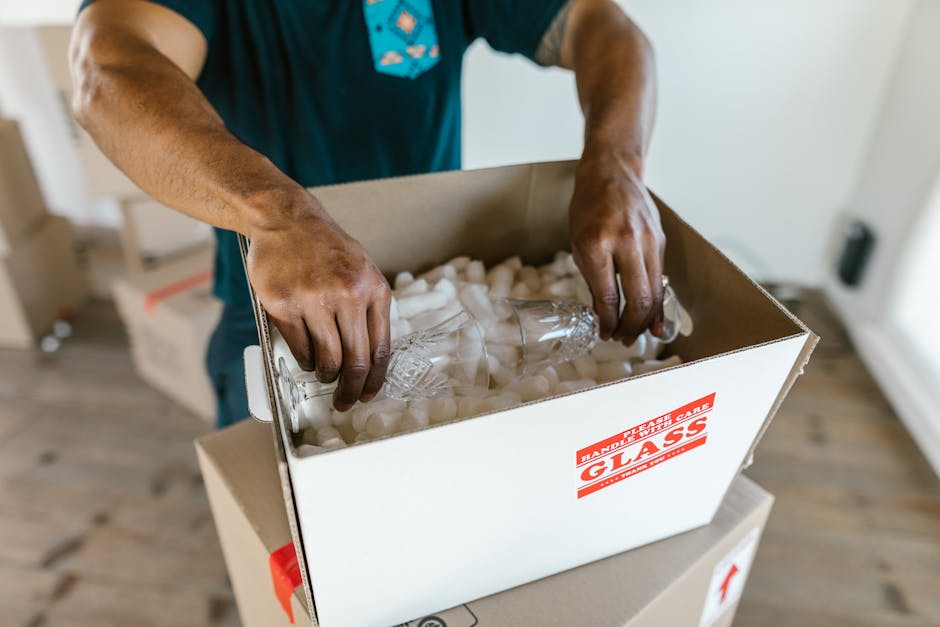
Wrap each item separately when it can move or scratch. Fill empty space in boxes so nothing rattles around. Plates should be stacked vertically if packed together, not flat like a tower of doom. Glassware should have cushioning above and below, not just around the sides. Heavy items go at the bottom, lighter ones on top, with no overpacking.
5. Prepare bulky items for removal
Remove drawers, shelves, cushions, detachable legs, and anything loose. Tape cords safely. Secure doors on wardrobes and fridges. For sofas and armchairs, protect the arms and corners because that is where dings happen first. If the item can be dismantled safely, do it. If it cannot, plan around its shape instead of forcing it.
6. Plan the moving route
Walk the route from the room to the van. Check for rugs, low light, pets, wet floors, awkward turns, and the bits of hallway that always seem narrower than they should. If you need to clear parking or loading space outside, sort that well in advance. In busy parts of London, a smooth loading point can matter just as much as the lifting itself.
7. Lift with control, not speed
Lift using your legs, keep the load close, and avoid twisting while carrying. If something is genuinely too heavy or awkward, stop and reset. That is not a failure. It is judgement. If you want a deeper look at safe body mechanics, the article on kinetic lifting and how it works gives a useful perspective in plain English.
8. Load the van in the right order
Put bulky, sturdy items in first so they form a stable base. Then add medium items, then fragile boxes on top in secure rows. Leave no empty gaps if you can help it; use blankets or soft items to prevent shifting. And never let a delicate item sit under something that might slide. That sounds obvious, but moving day has a way of turning obvious things into expensive lessons.
9. Unload with the same care
Do not relax too early. The unloading stage is where a lot of damage happens because people are tired and eager to finish. Take the same route checks, same lifting discipline, and same box-handling care. If you are heading straight into cleaning and handover, a practical read on move-out day cleanup can help you sequence the final few jobs sensibly.
Expert Tips for Better Results
A few small habits make a big difference. These are the kinds of things people only appreciate after one move too many.
- Use colour labels by room: Blue for kitchen, red for lounge, green for bedroom. It speeds up unloading and reduces confusion.
- Photograph cable setups: Before disconnecting TVs, printers, or consoles, take a quick photo. Future-you will be grateful.
- Wrap corners twice: Corners are the first things to get knocked, especially on tables and mirrors.
- Keep one "first night" box separate: Put kettle items, chargers, toiletries, and essentials somewhere easy to reach.
- Don't overfill boxes: If a box bows at the top, it is already telling you it is too full.
- Book extra help for the awkward item: One heavy object can slow down the entire move.
For sofas, a little protection goes a long way. Clean it first, wrap it properly, and avoid trapping moisture under plastic for long periods. If storage is part of the plan, the article on keeping your sofa pristine in long-term storage is a strong reference point.
And if you are moving on a tight timetable, small efficiencies matter. Clear labels. Pre-packed essentials. A van that actually fits the load. None of it is dramatic, but together it makes a proper difference.
Common Mistakes to Avoid
Even organised people make these mistakes, especially when the clock starts ticking.
- Using weak boxes for heavy contents: Old supermarket boxes are not a great answer for books or crockery.
- Wrapping fragile items loosely: A thin layer of paper is not the same as real cushioning.
- Ignoring access issues: If the sofa will not turn the stair corner, the packing plan needs to change.
- Trying to lift alone when you should not: Some items need two people, or more. Truth be told, some need a specialist.
- Forgetting to secure loose parts: Shelves, handles, and cables create avoidable damage.
- Loading the van randomly: A random load can shift, crush, or make unloading a nightmare.
- Leaving fragile items until the last minute: This nearly always leads to rushed packing and poor protection.
A quieter mistake is not asking for help early enough. People often wait until the difficult item is already halfway out the door. Better to ask before the strain starts. That one is worth repeating, really.
If you are moving solo or with minimal help, it may be worth reading how to lift heavy items safely on your own before deciding how much you can realistically handle.
Tools, Resources and Recommendations
Having the right kit makes the job calmer. You do not need a warehouse full of equipment, but a few items will make moving fragile and bulky pieces much easier.
| Tool or Resource | Best For | Why It Helps |
|---|---|---|
| Strong moving boxes | Fragile household items | Reduces crush risk and helps with stacking |
| Bubble wrap and packing paper | Glass, ceramics, ornaments, lamps | Cushions contact points and stops items shifting |
| Furniture blankets | Sofas, tables, wardrobes | Protects surfaces from scratches and knocks |
| Ratchet straps or tie-downs | Bulky items in transit | Keeps the load steady in the van |
| Furniture sliders | Heavy items on hard floors | Makes repositioning less strenuous |
| Sack truck or dolly | Boxes, appliances, stacked loads | Reduces lifting effort and improves control |
For packing supplies and boxed item planning, the packing and boxes service in Mile End can be a sensible place to start if you want to avoid piecing everything together at the last minute. If your move is larger or more complex, a properly sized removal van in Mile End may be better than trying to make a smaller vehicle do too much.
There is also a sustainability angle. Reusing good-quality boxes, donating unwanted furniture where appropriate, and separating recyclable packing material can reduce waste. That small effort is worth it, both practically and environmentally. The team's recycling and sustainability information may be useful if you are trying to move responsibly, not just quickly.
Law, Compliance, Standards, or Best Practice
For a household move, you usually do not need to worry about complex legal compliance, but there are still a few UK best-practice points worth keeping in mind.
Health and safety: If lifting is involved, the basic expectation is that it should be done in a way that reduces avoidable injury. That means using sensible load weights, asking for help when needed, and choosing the right equipment. A reputable mover will normally treat this as standard practice rather than a special feature.
Insurance and liability: If you are hiring help, ask what cover is in place for goods in transit and handling. Policies and exclusions vary, so it is sensible to understand the basics before the move rather than after something has gone wrong. The page on insurance and safety is a useful reference point.
Building access and parking: In London, access can be the real bottleneck. If your building has shared hallways, lifts, or loading restrictions, plan accordingly and check any local rules or lease conditions in advance. It sounds boring, yes, but it avoids chaos at the kerb.
Care for rented property: If you are leaving a flat, protect communal areas and leave them clean. That is both courteous and practical, especially when you are dealing with heavier furniture that can mark walls or door frames. For a smoother exit, the guidance on keeping house moving relaxed pairs nicely with a proper end-of-tenancy plan.
Options, Methods, or Comparison Table
There are a few different ways to handle fragile and bulky items. The right method depends on your time, strength, access, and how valuable or awkward the items are.
| Method | Best For | Pros | Watch Out For |
|---|---|---|---|
| DIY move | Small loads, short distances, low-risk items | Lower upfront cost, flexible timing | Higher physical effort, more chance of mistakes |
| Man and van | Mixed household loads, moderate furniture, local moves | Practical, efficient, usually cost-effective | Still needs good preparation from the customer |
| Full removal service | Larger homes, delicate furniture, complex access | More support, smoother handling, better for big items | Higher cost than a simple van hire |
| Storage-first approach | Moves split across dates or space-limited homes | Reduces pressure on move day, useful for staging | Needs clear labelling and better organisation |
For bulky or delicate furniture, a specialist page like furniture removals in Mile End may be a better fit than a general move if your items are large, awkward, or high-value. For very specific instruments, such as upright or digital pianos, it is usually wise to use a dedicated service such as piano removals in Mile End rather than treating the move as a standard furniture job.
Need it fast? A same-day removal option in Mile End can help in urgent situations, though it is always better to plan ahead if fragile items are involved.
Case Study or Real-World Example
Imagine a typical move from a Mile End Park flat: a two-seat sofa, a dining table with glass top, six boxes of kitchenware, a large mirror, and a bed frame. Nothing outrageous, but enough to become awkward if handled casually.
In a well-planned version of this move, the sofa is wrapped in blankets, the glass top is removed and packed separately, the mirror is corner-protected and boxed, and the bed frame is dismantled before moving day. Boxes of crockery are marked fragile, loaded last, and kept upright. The route out of the flat is checked before anything is carried, so the narrow corner near the stairwell does not become a surprise halfway through.
What usually changes the result is not strength. It is sequence. The people who succeed on moves like this are often the ones who pause for five minutes to measure, wrap, and plan the order of loading. That small pause can save a long, awkward delay later on. I have seen that sort of thing more than once, and every time the same lesson shows up: a calm start makes the rest feel lighter.
If the move also includes a temporary stopover or delayed completion, the bulky items may go into storage first while fragile items travel with you or are packed separately. That is often the cleanest way to avoid a jammed schedule, especially when keys, lifts, or parking windows are tight.
Practical Checklist
Use this before moving day, and again just before loading. It is simple, but it catches a lot of problems.
- Measure all bulky items, doorways, stair turns, and lift access
- Sort items into fragile, bulky, both, or neither
- Pack fragile items in sturdy boxes with proper cushioning
- Remove loose parts, shelves, drawers, and cords
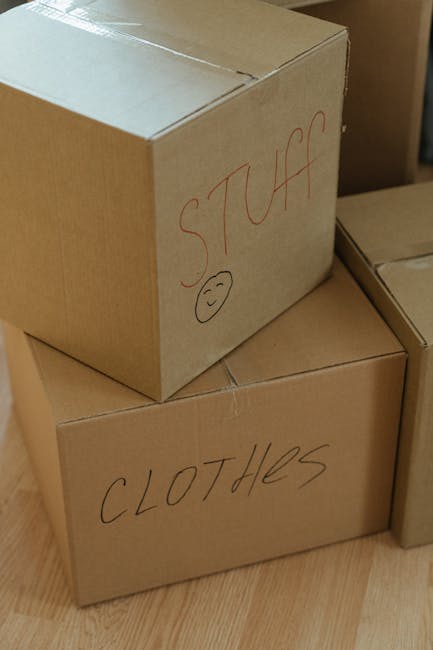
- Label boxes by room and mark fragile items clearly
- Prepare blankets, straps, tape, and protective wrap
- Clear routes inside the property and outside at the kerb
- Confirm vehicle size and loading space
- Protect floors, corners, and door frames where possible
- Keep essentials and documents separate from the main load
- Assign lifting jobs based on strength and safe handling
- Double-check insurance or service cover if hiring help
Expert summary: The safest way to move fragile and bulky items is to prepare earlier than feels necessary, measure properly, wrap individually, and load in a controlled order. Most damage happens when people rush the middle of the job, not the beginning.
Conclusion
Moving fragile and bulky items around Mile End Park does not have to feel like a gamble. With the right packing materials, measured lifting, and a realistic plan for access and transport, the whole process becomes much more manageable. It is not about being perfect. It is about being prepared enough that the day stays calm, even when the stairs are awkward and the sofa is bigger than you remembered.
If you take one thing from this guide, let it be this: fragile items need protection, bulky items need planning, and both need your attention before the van arrives. Do that, and you are already ahead of the usual moving-day scramble. The rest is just steady work, one box at a time.
Get a free quote today and see how much you can save.