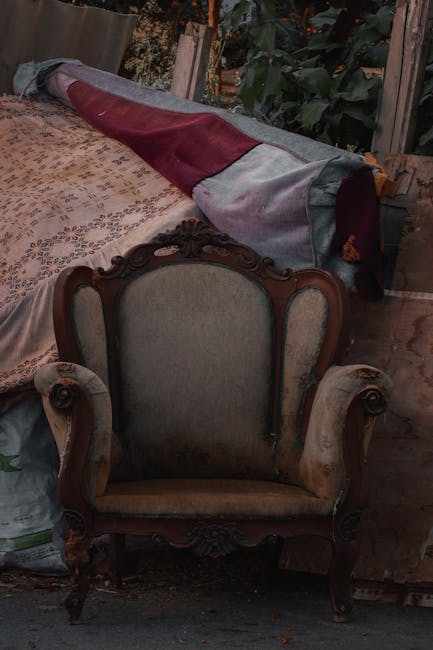
Tower Hamlets Council rules for furniture disposal in Mile End
Posted on 22/06/2026
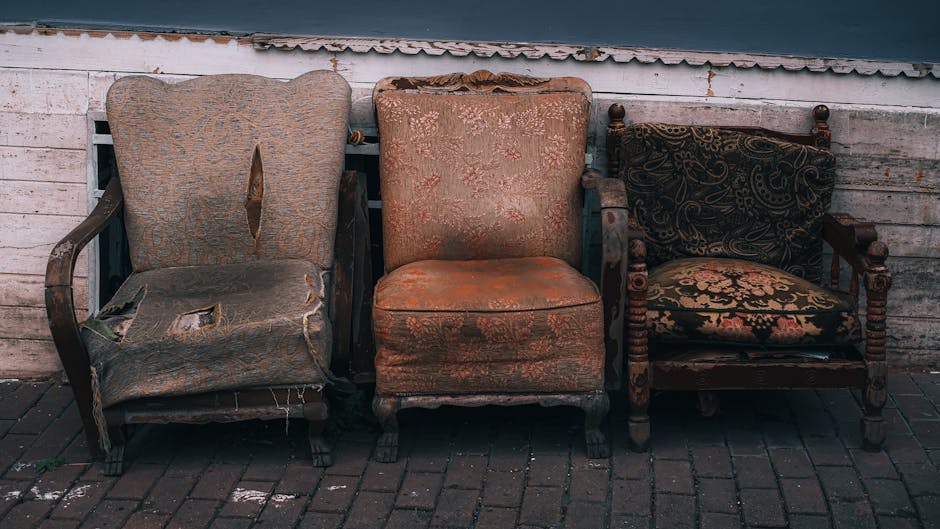
Tower Hamlets Council rules for furniture disposal in Mile End: a practical local guide
If you're trying to work out the Tower Hamlets Council rules for furniture disposal in Mile End, you're probably dealing with one of two things: a bulky item that's in the way, or a moving date that suddenly feels closer than you'd like. Either way, the rules matter. Put a sofa or wardrobe out at the wrong time, in the wrong place, or without the right arrangement, and you can end up with a missed collection, fly-tipping concerns, or just a very annoying weekend. This guide breaks the process down in plain English so you can decide what to do, what to avoid, and when a removal or storage option may make more sense.
We'll cover how the system generally works in Mile End, what kinds of furniture are usually accepted, common pitfalls, and the best way to prepare items before disposal. If you're decluttering before a move, it can also help to read the ultimate guide to decluttering before a move and how to breeze through move-out day cleanup for the practical side of getting everything ready without last-minute panic.
Why Tower Hamlets Council rules for furniture disposal in Mile End Matters
Furniture disposal sounds simple until you're standing in a narrow Mile End hallway with a dismantled wardrobe, a heavy sofa, and nowhere obvious to put either of them. That's where the local rules come in. Tower Hamlets Council manages waste and collections with specific expectations around bulky items, placement, timing, and what should be separated from general rubbish. In practice, following those rules helps keep streets tidy, avoids blocked pavements, and reduces the risk of your items being classed as abandoned waste.
There's also a very practical reason to care: furniture is often bulky, awkward, and expensive to move twice. If you get it wrong, you may end up dragging a chest of drawers back indoors after a failed collection or paying for an urgent alternative. Nobody wants that. Not on a damp Tuesday morning in Mile End, anyway.
For households in flats, shared buildings, or student accommodation, the issue is even more sensitive. Communal corridors, bin stores, and shared entrances can make furniture disposal feel like a small logistical puzzle. If your situation involves tight stairs or awkward access, this guide on handling narrow staircases and access issues in Mile End is well worth a look.
Expert summary: The safest approach is usually to identify whether your item qualifies for council collection, prepare it properly, and confirm the placement rules before you move anything outside. If the item is large, valuable, or hard to carry, a removal or recycling route may be the calmer option.
How Tower Hamlets Council rules for furniture disposal in Mile End Works
While specific operational details can change over time, the general process usually follows the same pattern: you check whether the furniture is eligible for bulky waste collection, arrange the collection if needed, and place the item in the correct location and condition for pickup. For furniture, the council will typically expect the item to be safe to handle and not mixed with other forms of waste in a way that creates risk or confusion.
In a Mile End setting, that often means thinking about access first. Can the item be carried to the kerb without obstructing neighbours? Can collection crews reach it without stepping through a lobby packed with prams, bikes, or parcels? These details matter more than people expect. A collection that looks straightforward on paper can become tricky very quickly if the item is left in the wrong place.
Another thing to watch is condition. Furniture that contains loose glass, broken springs, exposed nails, or contaminated materials may need special handling. If an item is partly reusable, it may be more appropriate to donate, sell, or repurpose it instead of treating it as general waste. That decision is not just about ethics; it can also save time, space, and money.
For people who are moving house, the disposal process often works best when it's built into the moving plan rather than left until the final day. If you are coordinating a home move, the guide on embracing a relaxed approach to house moving may help you keep the whole process a bit more under control. And if a full service is needed, you can also explore furniture removals in Mile End for help moving bulky items safely.
Key Benefits and Practical Advantages
Following the council route properly has some real upsides. The first is obvious: it helps you dispose of unwanted furniture lawfully and with less risk of penalty or complaint. The second is less obvious but arguably more useful day to day - it gives you a framework. When you know the process, you stop treating disposal as a stressful mystery and start treating it like a sequence of jobs.
- Cleaner local environment: Proper disposal reduces the chance of furniture being dumped beside communal bins or left on pavements.
- Less stress: A clear plan means fewer last-minute decisions and fewer arguments with flatmates or family.
- Better safety: Heavy items are moved and handled with more care, lowering the chance of injury or property damage.
- Potential cost savings: If your item can be reused, donated, or collected in one organised move, you avoid duplicated effort.
- Improved recycling outcomes: Furniture may contain materials that can be separated, recovered, or diverted from landfill where appropriate.
There's a hidden benefit too: compliance tends to make buildings run more smoothly. Residents notice when shared areas stay uncluttered, especially in busier parts of Mile End where space is already tight. Less clutter outside means fewer complaints inside. Simple, really.
If you're planning a larger clear-out, the article on a stress-free packing experience can help you organise belongings before you decide what stays and what goes.
Who This Is For and When It Makes Sense
This topic matters to a lot of people, not just those doing a big spring clean. In Mile End, furniture disposal questions come up in all sorts of ordinary situations:
- Tenants moving out and needing to clear a flat before handover
- Students replacing cheap furniture at the end of term
- Landlords clearing left-behind items between tenancies
- Families upgrading sofas, beds, or wardrobes
- Offices removing desks, chairs, or storage cabinets
- People downsizing and reducing bulky items before a move
It also makes sense if the furniture is too large for your household waste setup, too heavy to carry alone, or too awkward for a normal car boot. Truth be told, a surprising number of "I'll deal with it later" items become urgent only when the room has to be empty by tomorrow afternoon. That's usually when people start looking for faster options such as same-day removals in Mile End or broader removal services in Mile End.
If the furniture is still usable, the best route may be donation, resale, or relocation rather than disposal. If it's not, then council collection, recycling, or a professional removal route becomes more relevant. The right choice depends on condition, timing, and how much lifting you realistically want to do yourself. And let's face it, nobody needs to wrestle a double wardrobe down two flights of stairs just because it seems cheaper on paper.
Step-by-Step Guidance
Here is a sensible way to handle furniture disposal in Mile End without making the job harder than it needs to be.
- Identify the item properly. Is it a sofa, bed frame, mattress, wardrobe, chair, table, or mixed furniture set? Some pieces are straightforward; others include mixed materials that need different handling.
- Check whether it is reusable. If the item is clean, stable, and structurally sound, consider donation or resale before disposal. A usable dining table is not the same thing as a broken laminate shelf.
- Separate hazardous extras. Remove batteries, loose mirrors, glass shelves, plugs, cables, and any personal items. It sounds obvious, but it's a step people miss all the time.
- Dismantle where practical. Flat-pack furniture, bed frames, and large shelving units are often easier to move once taken apart. Keep screws and fittings in a labelled bag.
- Check access and timing. Make sure the item can leave the property safely and be placed in line with collection or removal instructions. In a flat block, that may mean planning around lift access or shared corridors.
- Choose the right route. Council collection, recycling, donation, or a removal company each has different benefits. Pick the one that fits the item and your deadline.
- Prepare the pickup point. Leave the item where it can be collected without blocking walkways, entrances, or neighbour access.
- Confirm completion. After the item has gone, check the area for stray fixings, broken parts, or packaging debris. Small bits create surprisingly big headaches later.
When the item is especially heavy or valuable, it may be safer to bring in help. This is where professional moving support can be a good fit, especially if you are also dealing with stairs, awkward corners, or a tight deadline. For heavier pieces, the practical advice in lifting heavy items solo successfully is a useful read, although to be fair, "solo" and "giant wardrobe" are not always a brilliant match.
Expert Tips for Better Results
After plenty of moving and clearance situations, a few small habits make a big difference. Nothing dramatic. Just the boring little things that save time and stress later on.
- Measure before you move. Check door widths, stair turns, and lift space before you try to shift anything large. A sofa that clears the lounge may still snag on the hallway corner.
- Photograph the item first. If you're donating, selling, or booking a disposal service, clear photos help avoid confusion about condition.
- Keep matching parts together. A drawer chest without its fixings becomes a mini scavenger hunt, and not the fun kind.
- Protect floors and walls. Use blankets, cardboard, or proper moving materials where needed, especially in rentals or shared buildings.
- Work in daylight if you can. A bright morning makes it easier to spot damage, loose screws, and hidden dirt. Plus, everything feels less chaotic at 9 a.m. than at 7 p.m.
- Separate what can be reused. Even if one item is beyond saving, another may be suitable for reuse or recycling.
If you're sorting items before a move, storage can buy you breathing room. That's especially useful when you are undecided about a sofa, mattress, or dining set. The article on keeping your sofa pristine in longterm storage is helpful if the furniture isn't leaving immediately but also can't stay in the flat.

Common Mistakes to Avoid
Most problems with furniture disposal in Mile End come down to rushing. Not malicious, not careless exactly. Just rushed. And when people rush, the same mistakes repeat.
- Leaving items outside too early. That can create obstruction, weather damage, and the appearance of fly-tipping.
- Mixing furniture with general rubbish. This makes sorting harder and may lead to collection issues.
- Ignoring building rules. Flats and estates often have their own expectations around communal space, waste storage, and access.
- Forgetting to dismantle large pieces. A wardrobe left whole is much harder to carry than one broken into sections.
- Assuming one option fits every item. A mattress, a sofa, and a broken desk do not necessarily belong in the same disposal route.
- Leaving disposal until moving day. That is how stress spikes, and it's usually avoidable.
One common mistake deserves special mention: people sometimes treat "getting rid of it" as the same thing as "putting it on the pavement." Those are not remotely the same. If you want to protect yourself and keep things tidy, choose a proper route and stick to it.
Tools, Resources and Recommendations
You do not need fancy equipment to dispose of furniture properly, but a few simple tools help a lot:
- A tape measure for checking access and item size
- Strong tape and marker pens for labelling screws and fittings
- Blankets or moving pads for protection
- Gloves with a decent grip
- A screwdriver or Allen key set for dismantling
- Straps or trolleys when moving heavier items
In terms of practical planning, it can also help to pair disposal with broader move preparation. If you are boxing up a property, packing and boxes in Mile End can support the rest of your move, while man and van Mile End may suit lighter transport jobs that do not need a full removal crew. For more complex moves, especially in small flats, the guide on flat removals in Mile End is another useful reference.
If you are comparing help options, it can also be worth thinking about whether you need a simple van, a heavier-duty vehicle, or a full-service team. The page on removal van Mile End and the wider removals Mile End service pages can help you understand the kind of support available for bulky furniture and mixed household items.
Law, Compliance, Standards, or Best Practice
Furniture disposal sits inside a wider UK waste and environmental framework, so the safest assumption is that items should be disposed of responsibly, not dumped, and not left in ways that create hazards. In local practice, this means paying attention to council instructions, building rules, and general waste-duty expectations. If you are unsure, treat the furniture as something that needs proper handling, not just a convenient exit route.
Best practice usually includes three simple principles:
- Prevent nuisance: do not block entrances, paths, or shared access areas.
- Prevent risk: remove sharp edges, loose glass, and unstable components where possible.
- Prevent waste: reuse or recycle when an item still has life left in it.
It is also wise to keep records if you are a landlord, managing agent, or business. A note, a photo, or a disposal confirmation can save a lot of back-and-forth later. Sounds dull, but it matters. Really matters, actually.
For businesses clearing desks, shelving, or office chairs, the approach is similar but usually more coordinated. Office removals in Mile End can be a better fit when multiple furniture items need to be removed together. And if you want to know more about how a provider approaches accountability, the site's health and safety policy and recycling and sustainability pages offer useful context.
Options, Methods, or Comparison Table
There is no single best method for every piece of furniture. The right route depends on condition, urgency, and how much lifting you want to do. Here's a simple comparison to help you weigh it up.
| Option | Best for | Pros | Watch out for |
|---|---|---|---|
| Council bulky waste collection | Single items or limited household furniture | Structured, local, and usually the most straightforward for eligible items | Timing, access, and placement rules matter; not every item is suitable |
| Reuse or donation | Furniture in decent condition | Extends product life and keeps waste down | Items must be clean, usable, and acceptable to the recipient |
| Private removal service | Bulky, urgent, or awkward items | Flexible timing and more hands-on support | Costs vary, so compare carefully and ask what is included |
| Storage before deciding | Items you are not ready to throw away yet | Buys time and avoids rushed decisions | Storage is only sensible if the item is worth keeping |
| Self-managed disposal | Small, easy-to-carry pieces | Flexible and often quick for lighter items | Can become difficult fast if the furniture is larger than expected |
As a rule of thumb, the more awkward the item, the more value there is in choosing a professional or council-supported route. Small jobs are fine to handle yourself. Big ones? That's where people tend to underestimate the staircase, the weight, and their own patience.
Case Study or Real-World Example
Here's a realistic Mile End scenario. A tenant in a top-floor flat is moving out on Friday. They have an old sofa, a broken bedside table, and a bed frame that was already wobbling a bit too much for comfort. At first, they plan to leave everything for a last-minute collection. Then they realise the lift is out of service, the stairwell is narrow, and the hallway is already full of bags, boxes, and a bicycle that nobody owns anymore.
Instead of forcing the issue, they split the job into stages. The bed frame is dismantled early. The sofa is checked for reuse and turns out to be too worn for donation. The bedside table is broken down into smaller parts. The items are then removed in a planned way, with care taken to protect the staircase and keep the communal entrance clear. The result? Less stress, no blocked corridor, and no awkward scramble on moving day.
That sort of approach is common, especially in tighter London housing. In a flat move, time and access are often the real constraints, not the furniture itself. If you are in a similar situation, the advice in flattoflat moves on Bancroft Road Mile End solutions may give you a useful local perspective. For more bulky or delicate items, moving tips for fragile and bulky items around Mile End Park is also worth a read.
Practical Checklist
Use this quick checklist before you dispose of any furniture in Mile End:
- Confirm the item is actually ready to leave
- Check whether it can be reused, donated, or sold
- Look for loose glass, batteries, or sharp edges
- Dismantle what you safely can
- Measure access routes before moving large pieces
- Keep screws and fittings in a labelled bag
- Check the building's own waste or access rules
- Choose the right disposal method for the item
- Schedule the job early enough to avoid last-minute pressure
- Leave the area clean once the item is removed
If you are also packing for a move, keep a little kit ready: tape, bags, gloves, marker pens, and one spare blanket you do not mind getting dusty. It sounds overly cautious until you need it.
Get a free quote today and see how much you can save.
Conclusion
Understanding the Tower Hamlets Council rules for furniture disposal in Mile End is really about making one awkward job much easier. When you know what the council expects, how bulky items should be handled, and when another option is better, you can avoid delays, keep your building tidy, and move on with far less stress. That's the whole point, really: less friction, fewer surprises, and no last-minute scramble down a stairwell with a wonky table.
The smartest approach is usually simple: check the item, choose the best route, prepare it properly, and don't leave it until the pressure is on. If you do that, furniture disposal becomes manageable, even on a busy Mile End street where space is tight and everyone seems to be moving something heavy at the same time. A bit of planning goes a long way.
And if the job is bigger than you expected, that's fine too. Some things are worth handing over to people who do this every day. It's not defeat. It's just sensible.