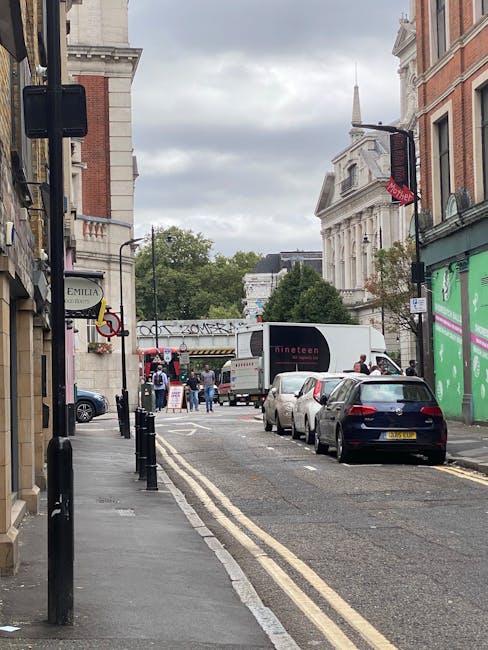
Same-day emergency removals in E3: fast Mile End help
When a move suddenly turns urgent, the last thing you need is a vague promise and a phone line that keeps you hanging. You need clear answers, quick action, and a team that understands how to get a property emptied safely without making a bigger mess of the day. That is exactly what Same-day emergency removals in E3: fast Mile End help are for: rapid, practical support when plans have collapsed, a deadline has moved up, or you simply have to be out now.
In Mile End and the wider E3 area, these jobs often happen in the middle of normal life, with bins out on the pavement, a narrow stairwell, and a landlord, agent, or building manager asking for updates. It can feel overwhelming. This guide breaks down how emergency removals work, who they suit, what to expect, and how to avoid the mistakes that usually slow everything down. A bit of calm goes a long way here.
Table of Contents
- Why Same-day emergency removals in E3: fast Mile End help Matters
- How Same-day emergency removals in E3: fast Mile End help Works
- Key Benefits and Practical Advantages
- Who This Is For and When It Makes Sense
- Step-by-Step Guidance
- Expert Tips for Better Results
- Common Mistakes to Avoid
- Tools, Resources and Recommendations
- Law, Compliance, Standards, or Best Practice
- Options, Methods, or Comparison Table
- Case Study or Real-World Example
- Practical Checklist
- Conclusion
- Frequently Asked Questions
Why Same-day emergency removals in E3: fast Mile End help Matters
Urgent removals are not just about moving things quickly. They are about reducing disruption at the exact moment when stress is already high. In real life, this might mean a tenancy ending early, a last-minute change of completion date, a break in household arrangements, or a work situation that requires a fast clear-out. The practical pressure is usually the same: time is tight, access may be awkward, and there is little room for delay.
That is why same-day support matters. A good emergency removals service does more than send a van. It helps you make decisions in minutes, not hours. It can separate what must go now from what can wait, protect awkward items, and make sure the move does not stall because someone forgot packing tape, keys, or a parking plan. Truth be told, the small details are what save the day.
For Mile End residents, the local advantage is real. Streets can be busy, loading space can be limited, and flats often involve staircases, tight hallways, or controlled access. A team familiar with E3 will usually understand how to work around those realities instead of treating them like a surprise. That familiarity can be the difference between a smooth pickup and a very long afternoon.
If you are dealing with a broader move rather than a single emergency load, it can also help to review the wider removal services overview so you know where emergency work fits into the bigger picture. And if the situation is mainly about household goods, removals in Mile End gives a useful starting point for understanding the full service range.
How Same-day emergency removals in E3: fast Mile End help Works
Emergency removals are usually simpler than people expect, but only if the booking is handled well. The service normally starts with a quick call or enquiry, followed by a short discussion about what needs moving, where it is going, and how much time is available. If there are stairs, heavy furniture, parking restrictions, or fragile items, those details matter straight away.
From there, the removals team will often estimate the vehicle size, the number of movers required, and whether any special handling is needed. A small flat clear-out may suit a compact vehicle and a two-person crew. A larger emergency move, especially with furniture or office items, may need more capacity. A sensible provider will say so clearly rather than guessing and hoping for the best. Nobody wants a second trip if it can be avoided.
On the day itself, the process tends to follow a straightforward pattern:
- Confirm access details and arrival time.
- Review the items and identify the priority load.
- Protect flooring, walls, and furniture where needed.
- Load items in a safe order, starting with the bulkiest or most urgent pieces.
- Transport everything to the new address, storage, or drop-off point.
- Unload and place items as agreed.
In urgent situations, this is where communication matters most. If you can answer questions quickly, the move stays on track. If a key is missing or a lift is out of service, say so immediately. It is far better to be awkward for two minutes than to discover the problem at the front door with a van already waiting.
For a more flexible one-vehicle approach, many people compare man with a van in Mile End and man and van Mile End options, especially when the load is relatively modest and speed is the priority. If the job is heavier or involves multiple items, a dedicated removal van in Mile End can be the more practical choice.
Key Benefits and Practical Advantages
The biggest benefit is obvious: speed. But speed on its own is not the whole story. A good emergency move also saves energy, reduces risk, and stops a bad day from getting worse. That might sound dramatic, yet if you have ever tried to empty a top-floor flat under time pressure, you will know exactly what I mean.
Here are the practical advantages that matter most:
- Fast response: helps you meet same-day deadlines without improvising a DIY solution.
- Lower physical strain: avoids rushed lifting and the kind of backache that lingers for days.
- Less damage risk: trained movers know how to handle narrow hallways, corners, and delicate surfaces.
- Better organisation: items are loaded in a sensible order instead of being stacked in a panic.
- Reduced stress: you can focus on the paperwork, keys, or handover while the bulky work gets handled.
- Local efficiency: Mile End familiarity can mean smoother navigation, parking judgement, and quicker turnaround.
There is also a mental benefit that people underestimate. Once the removal is underway, the whole situation feels less chaotic. The room starts to clear. Boxes stop multiplying. The noise changes from panic to routine. And that shift matters. A lot.
If you are still sorting items before the van arrives, a little planning can help. The guide on decluttering before a move is particularly useful when you realise, halfway through, that half the cupboard does not actually need to come with you. It happens. More often than people admit.
Who This Is For and When It Makes Sense
Same-day emergency removals are not just for dramatic last-minute disasters. They are useful in plenty of ordinary situations where time has simply run out. In our experience, the people who benefit most are often the ones who thought they could manage without help until the final stretch got messy. Happens all the time.
This service makes sense if you are:
- being asked to leave a property on short notice;
- dealing with an unexpected tenancy issue or handover;
- moving out after a cancellation, delay, or schedule change;
- trying to rescue a house move that slipped behind plan;
- clearing a flat, studio, or bedsit quickly;
- moving office items at short notice;
- handling bulky furniture that is too risky to move alone;
- needing temporary storage before the next step is ready.
Students in particular often need fast help near the end of term, especially when leases, exams, and travel dates collide. For that kind of scenario, student removals in Mile End can be a very sensible match. On the other hand, if the issue is a full family move, house removals in Mile End may be the better route.
Office and business moves also fall into this category. When a workspace needs emptying quickly, it is often less about volume and more about continuity. A delayed filing cabinet, laptop cart, or stock delivery can stall the whole day. For that reason, office removals in Mile End can be a useful option when business disruption needs to stay minimal.
Step-by-Step Guidance
If you need emergency removals today, the best thing you can do is stay organised. Not perfectly organised. Just enough. A calm, fast response beats a stressed, elaborate plan every time.
1. Make a quick item list
Write down what must go immediately. Keep it short. Prioritise essentials, furniture, paperwork, valuables, and anything the property handover depends on. If you start trying to document every spoon and charger, you will lose time fast.
2. Separate urgent items from the rest
Use one room or one corner for the critical load. Put non-urgent items aside if you can. This makes the movers faster and reduces the chance of something important being overlooked. A single clear staging area can save a surprising amount of time.
3. Check access before the team arrives
Look at door widths, stair turns, lift access, parking restrictions, and any entry codes. If something looks awkward, mention it. Emergency moves rarely fail because of the van. They fail because access was underestimated.
4. Pack the essentials separately
Keep keys, documents, medication, chargers, and a change of clothes with you. If you are moving into temporary accommodation, add toiletries and a kettle if you can. That small bag is your sanity kit, basically.
5. Tell the removals team about fragile or awkward items
Be specific. A television, mirror, piano, freezer, or large wardrobe may need special handling. If you have a mattress or bed frame, it helps to mention that early too. For guidance on handling sleep furniture properly, see these bed and mattress moving techniques.
6. Decide where the items are going
Not every emergency move ends at a new home. Sometimes items go into storage, sometimes to a family address, and sometimes to a temporary stop-gap location. If you need a holding solution, storage in Mile End can be a practical bridge rather than a rushed long-term decision.
7. Keep communication open during loading
If something changes, say so. If a second key appears, say so. If a sofa will not fit through the landing without tilting, say so. Fast removals work best when both sides talk plainly.
Expert Tips for Better Results
Little choices make a big difference in emergency removals. You do not need a perfect packing system, but you do need a few practical habits.
- Use the easiest route first: clear hallways and lift out the items that block movement.
- Wrap only what needs wrapping: speed matters, so protect delicate surfaces without overdoing it.
- Keep a "do not move yet" pile: this avoids accidental loading of items you still need for handover.
- Photograph valuable items before loading: useful for your own records and peace of mind.
- Check the weather: rain, wind, and wet pavements slow things down more than people expect.
- Book the right support level: if lifting is involved, do not assume two people can safely manage everything alone.
If packing is what is holding you back, the article on stress-free packing is worth a look. And if the job is physically demanding, especially with awkward or oversized objects, lifting heavy items safely explains why the right technique matters more than bravado.
One more thing, and this is a small one but important: do not let urgency turn into tunnel vision. People sometimes focus so hard on the van that they forget the paperwork, the keys, or the final meter reading. It is a bit of a comedy, until it is not. A quick checklist fixes that.
Common Mistakes to Avoid
Emergency moves often go wrong in predictable ways. The good news is that most of them are avoidable with a bit of common sense.
- Leaving booking too late: if you wait until the last hour, vehicle choice and availability become much tighter.
- Underestimating item volume: that "small flat" can produce a very large pile when the cupboards are opened.
- Not checking access: a single locked gate or narrow stairwell can slow the whole job.
- Poor labelling: without labels, the unloading stage becomes guesswork.
- Trying to lift too much yourself: rushed lifting is where injuries and breakages happen.
- Forgetting disposal or storage plans: if items are not going to the new address, say so from the start.
- Ignoring specialist items: pianos, large antiques, and heavy appliances need the right handling.
Specialist items are worth highlighting separately. A piano is not just "a heavy thing". It is weight, shape, balance, and sensitivity all at once. If your emergency load includes one, the page on piano removals in Mile End is a sensible reference point, and the related guide on professional piano moving explains why experience matters there.
Tools, Resources and Recommendations
For same-day removals, the most useful tools are often the simplest ones. You are not building a warehouse system here. You are trying to keep the move clear, quick, and safe.
- Strong boxes and tape: especially for urgent documents, kitchen bits, and loose household items.
- Marker pens: clear labels make unloading faster than you might think.
- Blankets and covers: useful for sofas, tables, mirrors, and polished surfaces.
- Straps and trolleys: helpful for heavier loads and narrow corridors.
- Bagged essentials: keep a small personal bag separate so nothing important disappears under boxes.
If you need a quick supply run, the page for packing and boxes in Mile End can help you think through what to gather first. And if the job is mostly furniture, furniture removals in Mile End is a better fit than a general move page because it speaks directly to bulky household pieces.
For moves that involve delays between addresses, temporary storage is often the least stressful answer. It buys you time. Time to breathe, to sort, to wait for keys, to deal with repairs, or to stop making decisions while running on caffeine and nerves.
Law, Compliance, Standards, or Best Practice
Emergency removals still need to be handled properly, even when the situation is urgent. In the UK, that means working with sensible moving practices, respecting access rules, and keeping safety front and centre. While every job is different, a reputable removals provider should be able to explain how they manage safe lifting, property protection, and appropriate vehicle loading.
Best practice usually includes:
- careful handling of belongings to reduce damage;
- clear communication about what is being moved and where it is going;
- attention to safe lifting techniques and team coordination;
- respect for property, neighbours, and common areas;
- basic insurance awareness and transparent service terms;
- honest discussion of any limits, especially for oversized or specialist items.
It is also sensible to check the company's policies around insurance, complaints, and security before you book. That sounds formal, but in a rushed situation it gives you a better sense of who you are dealing with. A quick review of insurance and safety, along with terms and conditions, can save confusion later. If you want a broader picture of the company background, the about us page is worth a look too.
On the practical side, sustainability may also matter. Reusing packaging, avoiding unnecessary waste, and choosing the right load size can reduce avoidable trips. If that matters to you, the page on recycling and sustainability is a useful supporting resource.
Options, Methods, or Comparison Table
If you are deciding how to handle a same-day move, it helps to compare your options rather than just picking the first available vehicle. The right method depends on urgency, item size, and access.
| Option | Best for | Strengths | Watch-outs |
|---|---|---|---|
| Man with a van | Small to medium emergency moves | Flexible, quick to arrange, good for short-notice pickups | May not suit very large loads or multiple heavy items |
| Dedicated removal van | Bulky furniture, fuller loads, flatter moves | More space, better for organised loading | Needs more planning if access is difficult |
| Full removals service | House moves, multiple rooms, fragile furniture | More support, better for complex jobs | Not always necessary for a very small urgent move |
| Storage plus transport | When destination is not ready | Buys time, reduces pressure, helps with staggered moves | Adds an extra step, so confirm access and timing |
To be fair, there is no single best method for every emergency. A student leaving a studio at short notice, a family needing one van-load moved, and an office clearing out two floors will each need something slightly different. The trick is matching the method to the problem, not the other way around.
Case Study or Real-World Example
Imagine a renter in Mile End gets told late in the morning that access needs to be handed back the same evening because a check-out has been moved forward. The flat is on the third floor, there is a sofa, a bed frame, boxes of kitchen items, and a couple of fragile lamps. Not a disaster, but definitely a scramble.
What helps most in a situation like this is not panic; it is triage. The highest-priority items are packed first: documents, valuables, bedding, and anything the tenant must keep personally. The sofa and bed are separated into manageable parts where possible. A quick call clarifies the access route, parking, and whether there is lift access. By the time the team arrives, the move is not "perfect", but it is controlled.
The useful lesson? Emergency removals work best when you accept that not everything has equal value in the moment. You do not need to pack like you are moving into a show home. You need to get the important things out safely and on time. That is the whole game, really.
In a slightly larger job, perhaps an office that needs desks, screens, and storage units moved before the next working day, the same logic applies. Clear the essentials, protect what matters, and let the team handle the heavy lifting. If the load is more commercial, the page on removal services in Mile End offers a useful bridge between ad hoc and fully managed support.
Practical Checklist
Use this checklist if you need to act quickly. Short. Direct. Helpful.
- Confirm the address, pickup point, and drop-off location.
- List the items that must move today.
- Separate fragile, valuable, and essential items.
- Check stairs, lifts, doors, and parking access.
- Keep keys, documents, and phones with you.
- Tell the removals team about large, awkward, or specialist items.
- Arrange storage if the new place is not ready.
- Pack a small overnight bag if you may not unpack immediately.
- Protect floors and furniture if the property is tight or recently decorated.
- Double-check your completion, tenancy, or handover time.
Quick expert summary: if you are arranging same-day emergency removals in E3, your best result comes from three things: clear priorities, honest access details, and the right vehicle for the load. That combination saves time, reduces damage risk, and stops the day from spiralling.
Get a free quote today and see how much you can save.
Conclusion
Urgent moving situations always feel a bit louder than they should. Doors slam harder. Time runs quicker. Even the hallway seems smaller. But with the right local help, same-day removals do not have to become chaos. They can be quick, organised, and surprisingly manageable.
If you are facing a short-notice move in Mile End or anywhere across E3, the smartest approach is simple: decide what matters, say what you need, and work with a service that understands fast response without cutting corners. That is what good emergency removals are really about. Not perfection. Just getting you through the day safely, and with your shoulders a little less tense than they were an hour ago.
And once the last box is in the van, there is often this lovely little moment of quiet. The room is empty, the hard part is done, and you can finally take a proper breath. That matters more than people think.
Frequently Asked Questions
How fast can same-day emergency removals in E3 usually happen?
It depends on availability, the size of the load, and access at both addresses. In many cases, the process can begin the same day if you provide clear details quickly and the team has a suitable vehicle free.
What kind of jobs count as emergency removals?
Anything where timing has become urgent can qualify: short-notice tenancy handovers, last-minute move dates, unexpected property access issues, office clearances, or situations where you need belongings moved immediately.
Can I book a same-day move for just a few items?
Yes. Small loads are often a good fit for a man and van style service, especially if you only need a few pieces moved quickly and safely.
Do I need to pack everything before the van arrives?
Ideally, yes for the main items. But emergency removals are often about prioritising. If only part of the property is ready, tell the team what is packed and what still needs attention.
Is same-day moving more expensive than booking in advance?
Often it can be, because short-notice work is harder to schedule. That said, the final price depends on load size, distance, access, and the number of movers needed, so it is best to ask for a clear quote.
What if I need storage as well as transport?
That is common. If the new place is not ready, temporary storage can be arranged so you are not forced into a rushed decision. It is a practical fix, not a failure.
Can emergency removals handle heavy furniture or a piano?
Yes, if the team is properly equipped and the item is declared in advance. Heavy furniture and specialist pieces need careful handling, and pianos should always be treated as a specialist move.
How do I prepare for a very fast flat move in Mile End?
Focus on essentials first: documents, valuables, keys, clothing, and anything that will be needed immediately. Then clear access routes and keep a staging area ready for the load.
Are emergency removals suitable for offices too?
Yes. Short-notice office removals are fairly common when premises must be cleared quickly or equipment needs to be moved without disrupting business for long.
What should I tell the removals team before they arrive?
Share the pickup and drop-off addresses, access details, item list, any fragile pieces, parking restrictions, and whether storage is involved. The more accurate the information, the smoother the move.
How do I avoid damage during a rushed move?
Use proper packing materials, protect fragile items, do not overload boxes, and avoid lifting large pieces without help. Rushing is where most damage happens, so a few minutes of care pays off.
What if I am not ready when the van arrives?
Say so immediately and explain what remains. A good team can often adjust the loading order or focus on the urgent pieces first. Silence, on the other hand, just wastes time.
Should I choose a full removals team or a man with a van service?
If your load is small or moderate and the move is straightforward, a van-based option may be enough. If you have a fuller house move, multiple heavy items, or awkward access, a fuller removals service is usually the safer choice.
Where can I learn more about related moving services?
If you want a broader overview, the site's services overview is a useful place to compare options before you commit.