Furniture Pick-Up in Mile End
If you need a practical, reliable, and straightforward solution for unwanted sofas, beds, wardrobes, office desks, or other bulky household items, Furniture Pick-Up in Mile End is designed to make the process easier from start to finish. Whether you are clearing a flat near Mile End Road, refreshing a family home, handling a landlord move-out, or arranging a commercial clearance for a local business, the right collection service can save you time, effort, and repeated trips to the dump.
Mile End is a busy East London area with a mix of Victorian terraces, mansion blocks, council estates, purpose-built flats, student accommodation, and commercial premises. That variety brings different access challenges: tight stairwells, limited parking, controlled access, lift restrictions, loading bays, and busy streets. A local furniture collection team understands these realities and can plan around them so your pick-up happens as smoothly as possible.
Choosing a local furniture pick-up service in Mile End is not just about getting rid of old items. It is about using a service that fits local living conditions, respects building rules, and works around your timetable. From single-item removals to multiple-room clear-outs, the service can be tailored to the amount, condition, and type of furniture you need removed.
Why Furniture Pick-Up Matters for Mile End Homes and Businesses

Furniture rarely becomes unwanted at a convenient time. A new tenancy begins, an office gets reconfigured, a rental property needs to be turned around quickly, or a family replaces a sofa that no longer fits the room. In a place like Mile End, where many homes are compact and storage space is limited, bulky items can quickly become an inconvenience. Waiting weeks to deal with an old wardrobe or broken dining table can make a room feel crowded and hard to use.
Furniture pick-up in Mile End helps customers clear space without needing to organise transport, lifting equipment, or multiple helpers. For many people, that alone is the biggest benefit. Moving heavy furniture through narrow hallways or down staircases is difficult and can be unsafe if done without the right equipment or experience. A dedicated collection service reduces that strain and helps avoid accidental damage to walls, floors, and door frames.
There is also the matter of timing. Local customers often want furniture removed quickly because they are preparing for a tenancy inspection, expecting a delivery, selling a property, or simply trying to get a room back in use. A responsive collection service can be a practical option for busy households, landlords, letting agents, offices, shops, and hospitality premises that need reliable help with bulky item removal.
What We Collect

Furniture pick-up services typically deal with a wide range of household and commercial items. The exact items collected can vary depending on condition, access, and local arrangements, but common requests include sofas, armchairs, beds, mattresses, wardrobes, dressers, bedside tables, coffee tables, dining tables, dining chairs, bookcases, cabinets, TV units, desks, office chairs, filing cabinets, shop fittings, and reception furniture.
In Mile End, it is common for customers to request collection after a move, a refurbishment, a student tenancy change, or an office layout update. Some items may be reusable, while others may be worn, damaged, or no longer suitable for use. A well-organised service can handle both situations, separating items that might be suitable for reuse from those that need responsible disposal.
It is worth noting that not every item is handled the same way. For example, a flat-pack wardrobe may need disassembly before removal, while a heavy corner sofa may require two-person lifting and careful route planning through the building. If you are unsure whether an item can be collected, it is usually best to describe it clearly when you request a quote so the team can assess access and labour requirements.
How Furniture Pick-Up in Mile End Works

The process is usually straightforward, which is one reason many local residents prefer it over hiring a van and doing the lifting themselves. You explain what needs removing, describe the access, and provide any important details such as floor level, lift availability, parking restrictions, or whether items need dismantling. Based on that information, the team can arrange the most suitable collection plan.
On collection day, the crew typically arrives within the agreed time window, checks the items, and gets to work. If the furniture is in a flat, basement unit, office, or shared building, the team will often take the most practical route available while keeping disruption to a minimum. For local customers in Mile End, that can make a big difference because many properties have narrow entrances, stair-only access, or restricted loading space nearby.
Once the furniture is removed, it is transported for the next appropriate step. Depending on the item and its condition, that may mean reuse, recycling, or disposal through compliant waste handling routes. If you are clearing more than one item, the team may be able to complete the collection in a single visit, which saves time and keeps the process simple.
Benefits of Choosing a Local Mile End Team
There are clear advantages to using a team that already understands the area. Mile End sits close to busy routes and dense residential streets, so access planning matters. A local team is more likely to be familiar with common parking restrictions, loading considerations, and the realities of collections around apartment blocks, terraced homes, and commercial sites.
Local knowledge helps with timing too. In areas with school traffic, commuter pressure, and limited roadside space, a collection that is planned with the local environment in mind is usually smoother and less stressful. If your property is near Mile End Station, Bow, Stepney Green, Bethnal Green, Limehouse, or along the surrounding East End streets, a nearby team can often schedule more efficiently than a service coming from far away.
Another benefit is flexibility. Local customers often need collections arranged around move-out dates, end-of-tenancy deadlines, refurbishments, or shop closures. A nearby service can usually respond more easily to those urgent or time-sensitive situations. That can be especially useful for landlords, letting agents, and business owners who need spaces cleared without unnecessary delays.
Residential Furniture Pick-Up for Flats, Houses, and Shared Buildings

Mile End has a wide mix of residential property types, and each one brings its own challenges. In a top-floor flat, the main concern may be carrying items downstairs without causing damage. In a shared building, access may need to be coordinated with neighbours or building management. In a family home, the issue might be moving large items out of a tight hallway or through a narrow front door.
Furniture collection for residents is often needed during house clearances, downsizing, redecorating, tenancy changes, or after replacing older pieces with new ones. Many people simply do not have the time, tools, or vehicle size needed to deal with bulky furniture on their own. A professional pick-up service provides a practical alternative that keeps the job manageable.
Students and shared households also rely on this kind of service. When a tenancy ends, bulky items left behind can create stress and potential charges if not removed promptly. Arranging a furniture pick-up in Mile End can help clear sofas, desks, mattresses, shelving, and other large items before move-out day. That makes it easier to hand over the property in better order and avoid last-minute panic.
Commercial Furniture Pick-Up for Offices, Shops, and Hospitality Spaces
Flexible support for local businesses
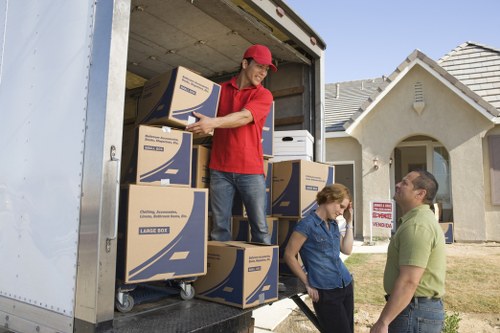
Furniture pick-up is not only for homes. Mile End has offices, retail units, cafés, community spaces, and small businesses that periodically need furniture removed or replaced. Whether you are updating an office layout, closing a branch, replacing worn seating, or clearing surplus storage units, a reliable collection service can help reduce downtime.
Commercial customers often value discretion, speed, and planning. Office furniture removal may need to happen outside peak hours to minimise disruption. Retail and hospitality premises may need items cleared without blocking customer access or affecting staff routines. A local team can work around these needs and coordinate the collection with the property’s practical constraints.
Common commercial collections in Mile End include desks, office chairs, filing cabinets, meeting tables, reception furniture, shelving, counters, display units, and back-of-house storage pieces. If you have mixed items or a combination of furniture and general bulky waste, it is helpful to explain that in advance so the collection can be arranged efficiently.
What Is Included in the Service?
While exact inclusions may vary depending on the provider and the job, a typical furniture pick-up service in Mile End often includes assessment of the items, lifting and loading, transport away from the property, and responsible handling of the collected furniture. If access is difficult, the service may also include planning support so the collection can be completed safely and without unnecessary delays.
Depending on the job, the service may also involve light dismantling of items that will not fit through doorways or down stairs in one piece. This can be especially helpful for wardrobes, bed frames, shelving, and larger desks. If the furniture is particularly heavy or awkwardly shaped, the crew may use appropriate handling techniques and equipment to remove it without damaging the surrounding space.
Some customers also need help with mixed clearance jobs. For example, you may have one or two pieces of furniture plus a few boxes of general household clutter. If that is the case, ask in advance whether the collection can include those additional items. Being clear about the load helps avoid surprises on the day and makes the booking process smoother.
How to Prepare for Furniture Pick-Up
Preparing well can make your collection quicker and less stressful. You do not need to do everything yourself, but a few simple steps can help the team work efficiently and reduce time spent on site.
Practical preparation checklist
- Measure larger furniture items if you are unsure whether they will fit through doors or stairways.
- Clear a path from the furniture to the exit where possible.
- Remove personal items, paperwork, ornaments, and valuables from drawers and shelves.
- Tell the team about any parking restrictions, building entry codes, or concierge rules.
- Let them know if there is no lift, if the item is in a basement, or if access is via rear lanes or narrow staircases.
- Separate the furniture you want removed from items you are keeping.
- If possible, disassemble easy-to-remove parts only if you are comfortable doing so.
These small steps can be especially useful in Mile End, where many buildings have shared corridors, compact entrances, or limited waiting space outside. Even a little preparation can help the collection happen more efficiently and with less disturbance to neighbours.
It is also sensible to think about timing. If you are expecting a delivery, moving house, or coordinating with decorators, choose a collection window that avoids overlap. That way, furniture removal does not interrupt other work or create access conflicts at the property.
Pricing Factors to Consider
Customers often want to know what affects the cost of furniture removal, and it is a fair question. Prices are usually shaped by a number of practical factors rather than a single fixed rule. The size and weight of the items, the number of pieces, the difficulty of access, and the amount of labour required all play a part.
Common pricing factors include:
- How many furniture items need to be collected
- How heavy, bulky, or awkward they are
- Whether items need to be dismantled first
- How easy it is to access the property
- Whether parking is close or difficult to secure
- Whether the property is on a higher floor or has stair-only access
- Whether the collection includes mixed bulky waste as well as furniture
For Mile End customers, access and parking can be particularly important. A job that sounds simple on paper may still require more time if items need to be carried a long distance from the building, down several flights of stairs, or through a busy shared entrance. That is why accurate details at the enquiry stage are useful. They help the service provide a fairer estimate and reduce the chance of misunderstandings later.
Why Furniture Pick-Up Is Often Better Than Doing It Yourself
Hiring a van and lifting furniture yourself may seem like a quick fix, but it can bring hidden problems. Large items can be heavy, awkward, and difficult to move without the right equipment. There is the risk of injury, strain, damage to the property, and unexpected delays if the furniture does not fit easily into the vehicle.
In Mile End, traffic and parking can add another layer of difficulty. Finding a suitable place to stop near a flat or business premises may take time, and carrying furniture from the building to the van can be more demanding than expected. If you have multiple items, you may also need more than one trip, which adds time and effort.
A professional furniture pick-up service is often preferred because it removes those headaches. The team handles the heavy lifting, works through access challenges, and takes the items away in one planned collection. That lets you focus on your move, your refurbishment, or your day-to-day routine instead of worrying about logistics.
Areas Covered Around Mile End
Furniture collection needs do not stop at one street or one type of property. Customers in and around Mile End often live or work across nearby East London areas, and it is helpful to choose a team that can cover surrounding locations as part of the same service area.
Typical nearby areas may include:
- Bow
- Stepney
- Stepney Green
- Bethnal Green
- Whitechapel
- Limehouse
- Poplar
- Hackney Wick
- Devons Road
- Parts of Tower Hamlets and nearby East London neighbourhoods
If you are just outside Mile End, it is still worth asking whether the collection can be arranged. A local team may be able to cover the wider area depending on the job, access, and scheduling. This is particularly useful for landlords or business owners managing multiple properties across nearby districts.
When to Book a Furniture Pick-Up
There is no single right time, but some situations clearly call for prompt action. If you are moving house, replacing furniture, preparing a rental property, or clearing an office, booking early can help prevent last-minute stress. Many customers find that once they decide to move an item on, they want it out of the way quickly so the room can be used properly again.
Good times to arrange a collection include:
- Before a tenancy ends or a new tenant moves in
- Before new furniture or appliances are delivered
- After redecorating or refurbishing a room
- During an office reconfiguration or closure
- When bulky furniture has been damaged or is no longer usable
- When a room needs to be cleared for a move or renovation
If your schedule is tight, mention that when you enquire. A local service can often suggest a suitable time slot or explain what information is needed to keep the booking efficient. For urgent situations, it is especially helpful to be clear about access, item size, and the number of pieces involved.
Frequently Asked Questions
Do I need to carry the furniture outside myself?
Usually not. In most cases, the collection team handles the lifting and removal from inside the property, although it helps if pathways are reasonably clear. If there are unusual access issues, mention them beforehand so the team can plan properly.
Can you collect just one item?
Yes, single-item pick-ups are often possible. Many Mile End customers only need one sofa, bed frame, mattress, wardrobe, or desk removed. A single item can still be worth collecting if it is too heavy or awkward to move yourself.
What if my furniture is upstairs?
That is common in Mile End. Many homes and flats are on upper floors, and some buildings have no lift. When you provide the floor level and access details, the team can plan the job accordingly.
Can you take dismantled furniture?
Yes, dismantled items are often easier to remove. If you have already taken apart a bed frame or wardrobe, make sure the pieces are stacked safely and that screws or small fixings are kept together if needed.
Do I need to be there during collection?
In many cases, yes, especially if access needs to be arranged or items are inside the property. However, the exact arrangement depends on the booking setup and the property access rules. It is best to discuss this in advance.
Can you help with commercial furniture clearances?
Yes, many collections are for offices, retail spaces, cafés, and other business premises. If the removal involves a larger load or must be done at a specific time, let the team know when you request a quote.
Why Customers in Mile End Choose a Furniture Pick-Up Service
Local customers often choose this service because it combines convenience, safety, and practical support. It helps people clear space without hiring equipment, driving a large vehicle, or lifting heavy furniture themselves. It also works well for busy households and businesses that need a simple, dependable collection arranged around real-life schedules.
For many Mile End residents, the biggest advantage is peace of mind. The job is handled by people who understand how to move bulky items through flats, shared buildings, and tight access points without turning the process into a major disruption. That is especially valuable in busy East London surroundings, where space is limited and time is often short.
If you are dealing with an old sofa, a bedroom set, office furniture, or several pieces that no longer serve a purpose, arranging a local collection can be the most sensible next step. It gives you back the room, reduces clutter, and helps you move on with your plans.
Ready to Arrange Furniture Pick-Up in Mile End?
If you need furniture removed from a home, flat, office, or business premises, now is a good time to take the next step. Whether you are clearing a single item or several bulky pieces, a local collection service can make the process much easier than trying to manage it on your own.
To get started, prepare a brief description of the items, the property type, and any access details that may matter. Then you can request a free quote, check availability, and arrange a collection time that works for you. If the furniture is taking up valuable space, there is no need to keep postponing the job.
Contact us today to discuss your furniture pick-up in Mile End, and book your service now when you are ready to clear the space.
Helpful reminders before booking
Make sure the collection details are accurate so the team can plan the right amount of labour, time, and access support. The more clearly you describe the items and the property, the smoother the service is likely to be.
Furniture pick-up in Mile End should feel simple, practical, and suited to the way people actually live and work in the area. With the right local service, unwanted furniture can be removed efficiently and with far less hassle than doing it yourself.
Need a fast next step?
Prepare your item list, note any stairs or parking issues, and send the details when you are ready to enquire. That is often the quickest way to move from cluttered space to a clear, usable room.