Removal Company in Mile End
If you are planning a move in East London, choosing the right Removal Company in Mile End can make all the difference between a stressful day and a smooth, organised one. Mile End has its own rhythm: busy roads, a mix of older terraces and modern flats, busy commuter patterns, and a location that sits close to several fast-moving parts of the city. Whether you are moving from a studio flat near Mile End Road, a family home close to the park, or an office space serving clients across Tower Hamlets, it helps to work with a team that understands the area and knows how to handle the practical challenges that come with local removals.
We know that people looking for a local removal service are usually not browsing casually. They are often comparing options because they need a team that can arrive on time, handle belongings carefully, manage access issues, and complete the move without unnecessary disruption. That is why a local, experienced service matters. A professional removals team can support everything from packing and loading to transport, furniture handling, and placement at your new address. It is not just about moving boxes; it is about helping you settle in with as little hassle as possible.
Mile End is a particularly varied part of London, which means no two moves are quite the same. Some properties have narrow staircases, limited lift access, or controlled entry systems. Others may be close to busy junctions where parking space is tight and timing is important. Commercial moves may need careful planning around opening hours, shared buildings, or building management restrictions. A reliable local removals company will take these details seriously, because the right preparation saves time, reduces risk, and helps protect your belongings.
Why a local removals service helps in Mile End
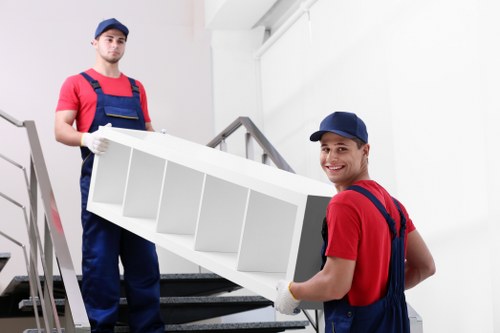
When you hire a local team for a house move or business relocation, you benefit from people who are familiar with the area and the typical moving conditions found across East London. Mile End includes a mix of Victorian and Edwardian housing, ex-local authority flats, modern apartment blocks, and commercial premises along main routes. Each property type brings different moving requirements. A team that regularly works in the neighbourhood is more likely to know how to plan around them efficiently.
Local knowledge matters in practical ways. For example, parking can be difficult on residential streets, especially where space is limited or loading is shared. Some buildings require advance notice for lift bookings or move-in slots. Others have narrow hallways, awkward entrances, or restrictions on moving hours. A dependable removal company in Mile End will know how to build these factors into the plan, rather than discovering them on the day.
It also helps to choose a company that can adapt to different move sizes. Not every customer needs a full-house relocation. Some people only need help with a few large pieces of furniture, while others are moving an entire office, a one-bedroom flat, or a multi-room family home. Flexible support is often the difference between an overwhelming move and a manageable one.
What customers in Mile End often need
People moving in the Mile End area often want practical help with one or more of the following:
- Flat moves with stair access or lift restrictions
- Family house removals with larger furniture and more packing
- Office and business relocations that need careful timing
- Student or shared accommodation moves with smaller loads
- Furniture collection and transport within East London
- Packing support, especially for fragile or valuable items
Whatever the size of the job, the goal is the same: to make moving easier, safer, and better organised from start to finish.
Our removal services in Mile End

A good local removals service should cover more than transport alone. Many customers want a package that fits the realities of moving day, whether that means full packing support or simply careful loading and unloading. The best service is one that can be shaped around your needs rather than forcing you into a fixed approach.
For residential customers, this usually starts with a conversation about the property, the amount of furniture and boxes, and any access details that could affect the move. For commercial customers, it may also involve checking business hours, desk removal needs, IT equipment, archived materials, or special handling for stock and equipment. The more detail that is shared early, the smoother the relocation tends to be.
Typical removal services may include:
- Home removals for flats, houses, and shared accommodation
- Office removals for small businesses and larger workspaces
- Packing and unpacking support
- Loading and unloading of boxes and furniture
- Furniture dismantling and reassembly where needed
- Transport for local and longer-distance moves
- Careful handling of fragile or awkward items
- Move planning around access, parking, and timings
It is worth asking what is included before booking. Some customers need a full-service move, while others only need help with the heavy lifting. A professional team should be clear about what they can do and should take time to understand the move properly before the date arrives.
In a busy area like Mile End, timing is often just as important as manpower. A move near the start or end of the month, during school holidays, or around commuting hours can create extra pressure. Having a team that works efficiently and stays organised can make a real difference to your day.
How the moving process usually works

People often want to know what happens after they request a quote. The process should feel straightforward and practical, not complicated. A good moving service will ask about the size of your property, the number of rooms, access conditions, destination details, and any particular items that need extra care. This helps create an accurate plan for the move and reduces surprises on the day.
Once the details are confirmed, you can agree the date and the level of support you need. Some customers want the team to arrive early and handle everything from wrapping to loading. Others have already packed and only need help with transport and furniture handling. The important thing is that the service matches your requirements, your schedule, and your property type.
On moving day, the team should arrive prepared, assess access, and work methodically. They may start by protecting floors and doorways if needed, then move boxes and furniture in a safe order. Larger items are usually handled separately to reduce risk, and fragile belongings should be loaded carefully to help prevent damage during transit.
Typical move-day steps
- Confirm details and arrival time before the move
- Check access, parking, and any building restrictions
- Prepare and protect furniture, doors, and floors where appropriate
- Load items carefully, prioritising fragile or heavy pieces
- Transport belongings to the new address
- Unload and place items according to your instructions
Some customers are moving into a flat on a busy street; others are relocating from a home near open green spaces or a commercial unit close to major routes. Each move is different, so a professional service should always stay adaptable. A well-organised local removal company in Mile End will also allow time for last-minute adjustments, because moving rarely goes perfectly to plan without careful coordination.
For added peace of mind, it is helpful if the team can explain how they handle fragile items, bulky furniture, and any special access issues in advance. Clear communication matters. It allows you to prepare properly and helps the move run to schedule.
What makes moving in Mile End different?

Mile End is well connected, which is one reason it is such a popular place to live and work. But being well connected also means that roads, pavements, and parking can be busy. For removals, that creates a few common challenges that a local team should be ready for.
Residential streets may have limited waiting space, permit restrictions, or shared loading areas. Some apartment blocks have lift access but require booking in advance, while others may be walk-up buildings where carrying furniture upstairs takes more time and effort. Older properties can have tighter turns, steeper stairs, or narrower entrances that require extra care when moving large sofas, beds, wardrobes, or appliances.
Commercial customers in Mile End also face practical issues. Offices, studios, clinics, small shops, and shared workspaces all have different requirements. A move might need to happen outside opening hours, around customers, or in coordination with building managers. Business owners often want minimal downtime, which means planning, speed, and organisation are essential.
Nearby areas often covered
A local team working in Mile End will often also serve surrounding parts of East London, including:
- Bethnal Green
- Bow
- Stepney
- Whitechapel
- Poplar
- Stratford
- Hackney Wick
- Canary Wharf
This wider local coverage can be useful if you are moving within the borough or between nearby neighbourhoods. It can also help if your current home and new property are both in East London, because the team will already understand the traffic patterns, access limits, and timing concerns that come with moving in the area.
For many customers, the biggest advantage of choosing a local team is simple: they are more likely to know how to manage the details that matter on moving day.
Preparing for your move

Good preparation can save time, reduce stress, and help you get the best out of your chosen removal service. Even if you book a full-service move, there are still a few useful steps you can take before the team arrives. These do not need to be complicated; they simply help the day run smoothly.
Start by thinking room by room. Decide what is going, what is being donated or sold, and what you need to keep with you personally. Label boxes clearly so they can be placed in the right rooms at the new property. If you are moving from a flat in Mile End with limited lift time or shared access, good preparation can be especially helpful because it keeps the loading process efficient.
It is also sensible to separate essentials. Keep important documents, medication, chargers, keys, and a change of clothes in a bag you carry yourself. That way, the things you need first are easy to reach when you arrive. If you are moving a family home, consider preparing an essentials box for each person, especially children.
Helpful preparation checklist
- Declutter before packing to reduce unnecessary items
- Label boxes by room and content type
- Set aside valuables and important documents
- Defrost fridges and freezers in advance if they are being moved
- Disassemble furniture only if agreed or if you are confident doing so
- Check parking or permit arrangements near both properties
- Notify building management if advance notice is required
- Keep pathways clear for safe loading and unloading
For office moves, preparation may involve backing up files, labelling equipment, and deciding which items need priority delivery. A business move is often most successful when it is structured by departments, workstations, or equipment type. The same principle applies to household removals: the more organised you are before the team arrives, the easier the day will be.
Good preparation does not mean doing everything yourself. It simply means making sure the move has a clear structure so the team can work efficiently and carefully.
Pricing factors and how quotes are usually formed
People often ask how removal costs are worked out. While exact pricing depends on the move, several common factors influence the quote. A trustworthy company should explain these clearly so you understand what is being included and why.
The main things that affect a quote usually include the size of the property, how much furniture and packing there is, the distance between addresses, access conditions, the number of team members required, and whether extras such as packing materials or furniture assembly are needed. If a move is in a building with difficult access or limited parking, that can also affect the time needed on site.
Common pricing factors include:
- Number of rooms or size of the property
- Volume and weight of furniture and boxes
- Distance between collection and destination
- Stairs, lifts, or difficult access
- Parking restrictions or waiting limitations
- Need for packing, wrapping, or dismantling
- Weekend or peak-time scheduling
It is usually best to request a quote with as much detail as possible. This helps the company plan properly and reduces the chance of changes later. If you are moving from Mile End to another part of London, or into the area from outside East London, mention both addresses clearly so access and travel times can be considered.
Many customers appreciate transparency here. They want to know what is included, what would count as an extra, and whether any special handling may be required for items such as pianos, large mirrors, glass tables, or bulky wardrobes. A local removal company should be open about these details so you can make an informed decision.
Why choose a local company rather than a distant one?
When you are organising a move, it can be tempting to focus only on price or availability. But choosing a local company often brings practical advantages that matter on the day. A team already working in Mile End and nearby areas is more likely to understand local roads, loading conditions, and building access patterns. That can translate into a smoother experience for you.
There is also value in local responsiveness. If your move date changes, your access time is altered, or you need clarification about what to prepare, a local service is usually easier to coordinate with. That kind of practical support can be especially helpful if your move involves a short turnaround or if you are coordinating between landlords, managing agents, or office building staff.
Another benefit is familiarity with a broad mix of property types. Mile End is not a single, uniform area. It includes everything from compact flats to family houses and commercial premises. A local removals team that works across these settings will be used to adapting its approach, which helps avoid unnecessary delays and handling issues.
What you should look for in a removals team
- Clear communication before the move
- Experience with local access and parking conditions
- Careful handling of furniture and fragile items
- Flexible service options for homes and businesses
- Practical planning for stairs, lifts, and tight spaces
- Professional, organised approach on moving day
If you are comparing providers, choose the one that seems prepared to understand your move properly. That is often a better sign than a quick promise or a rushed estimate.
Residential removals for Mile End homes
Moving house can be exhausting, especially in a busy part of London. For families, couples, sharers, and people moving alone, residential removals should feel structured and manageable. That means careful lifting, secure loading, and a clear plan for the property layout at both ends of the move.
In Mile End, residential moves often involve flats or homes with a combination of narrow corridors, stair access, and shared entrances. This is where experience matters. A professional team can handle heavier items such as beds, wardrobes, sofas, dining tables, white goods, and boxed belongings while working around the layout of the building.
Some customers prefer a simple loading and transport service; others want help with packing as well. A full or partial packing service can be especially useful if you are short on time, moving with children, or managing work commitments at the same time. It can also help reduce the risk of damage when fragile items need to be moved alongside bulkier furniture.
Residential move support can include:
- Careful wrapping of furniture and fragile items
- Handling of boxed household goods
- Moving appliances where appropriate
- Loading in a sensible order for transport
- Placement of items in the correct rooms at destination
- Optional dismantling and reassembly of selected furniture
The aim is not simply to move items from one place to another, but to help you get settled faster and with less disruption.
Commercial removals for local businesses
Businesses in Mile End need a removal service that understands downtime, access rules, and the importance of keeping operations moving. Whether you are relocating an office, storage room, workshop, clinic, studio, or retail unit, the job should be handled in a way that reduces interruption and protects equipment.
Office removals often involve more than desks and chairs. There may be filing systems, IT equipment, monitors, stock, shelving, archive materials, and items that need to be unpacked in a specific order. A structured approach is essential, especially if staff need to return to work quickly after the move. Planning can include labelling, priority items, and a loading schedule that reflects business needs.
Commercial moves in East London may also need to fit around building access windows or service lift times. In some cases, moving outside normal hours is preferable. A local team that understands these issues can help reduce pressure on your staff and make the process more predictable.
Useful points for business customers
- Identify priority equipment and documents first
- Share access restrictions early
- Plan around staff schedules and business hours
- Separate essential items from general office contents
- Make sure the destination layout is ready before arrival
For commercial customers, the best move is usually the one that creates the least interruption.
Frequently asked questions
Customers often have similar questions when booking a removal company in Mile End. Below are some of the most common ones, answered in a straightforward way.
Do you handle moves from flats with no lift?
Yes, many local removals involve stair access. It is important to mention this when requesting a quote so the team can plan the right approach.
Can you help with packing?
Many removal services offer packing support, whether for the full property or only fragile and valuable items. It is a good option if you want to save time or reduce stress.
What if parking is difficult near my property?
Parking and loading should be discussed in advance. A local team can often suggest practical ways to manage access and timing based on the address.
Do you move offices as well as homes?
Yes, residential and commercial removals are both commonly handled. Office relocation usually requires more planning, especially where equipment or business operations are involved.
How far in advance should I book?
The sooner you can book, the better, especially for busy periods or if you need a specific date. If your move is flexible, it is still worth asking about availability as early as possible.
Can you move bulky furniture?
Yes, large items are a standard part of many removals. If you have unusually heavy, awkward, or delicate pieces, mention them during the booking stage so the team can plan properly.
Is a local move still worth using a removals company for?
Yes. Even short-distance moves can involve stairs, parking problems, tight deadlines, and fragile belongings. Professional help can save time and reduce the physical strain.
Book your Mile End removal service
If you are moving home or relocating a business in East London, a carefully planned removal service can make the entire process far easier. From packing support to loading, transport, and furniture handling, the right team should give you confidence that your move is under control.
Choosing a Removal Company in Mile End means working with people who understand the area and the practical demands of local moves. That includes busy roads, access restrictions, shared entrances, staircases, flat blocks, and commercial properties with time-sensitive requirements. When those details are handled properly, moving day becomes much more manageable.
If you are preparing for a move soon, now is the right time to plan ahead, gather your details, and request a free quote. Whether you are moving a small flat, a family home, or a business premises, a professional local team can help you take the next step with less stress.
Contact us today to discuss your move, request a free quote, or book your service now if you are ready to get started. The sooner your move is organised, the easier it will be to manage the details with confidence.
Reliable support, local knowledge, and careful planning can make all the difference.