Moving logistics through Mile End Station crowds and times: a practical local guide
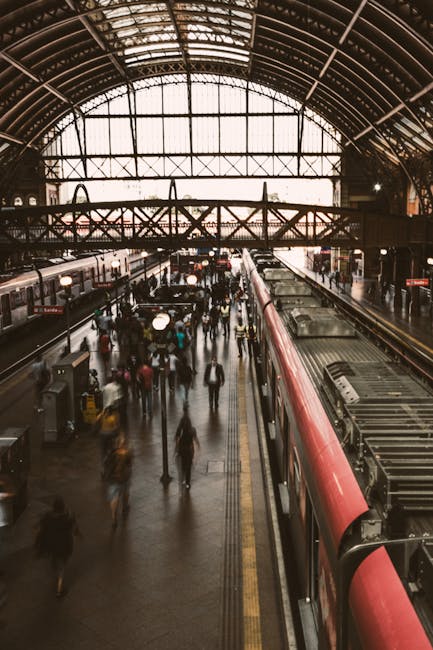
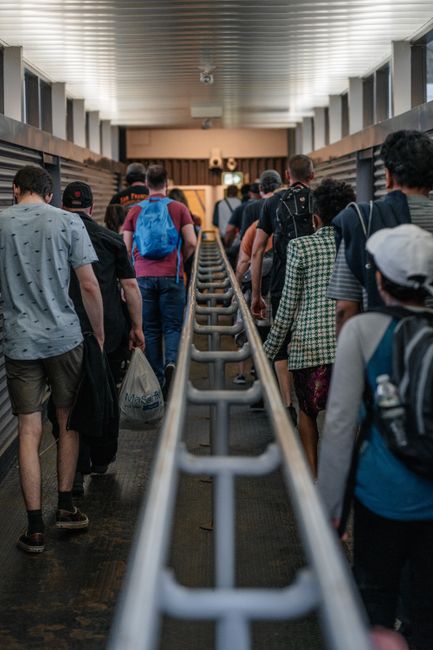
If you are planning a move near Mile End Station, timing is not a nice-to-have detail, it is the thing that can make the day feel calm or chaotic. Moving logistics through Mile End Station crowds and times means thinking carefully about when people travel, how long it takes to move items safely through busy streets, and how to keep your route workable when the area is full of commuters, students, and weekend footfall. The good news? With a bit of local planning, you can avoid the worst pinch points and make the whole process feel far less stressful.
This guide breaks down what matters, how to plan around peak crowd periods, what to do with bulky or fragile items, and when it makes sense to bring in help. It is written for real moving days, not theory. Because let's face it, nobody wants to be wrestling a wardrobe across a crowded pavement at half past eight in the morning.
Why Moving logistics through Mile End Station crowds and times Matters
Mile End is one of those places where the timing puzzle is real. The station sits in a busy East London flow, and the surrounding streets can feel lively at the exact moment you need space, quiet, and a bit of elbow room. If you arrive at the wrong time, your move can slow down in tiny ways that add up fast: waiting for pavements to clear, struggling to keep trolleys in line, pausing for crossings, or having to break a route into awkward little stages.
That matters because moving is already physically demanding. Add crowd pressure, limited loading space, and the natural unpredictability of London traffic, and you are suddenly working against the clock. A well-planned move near the station reduces stress, protects your belongings, and helps everyone involved stay safer. You will also usually get a more efficient load-in or load-out, which is especially helpful if you have tight access or a narrow staircase waiting at the other end.
There is also a customer-experience side to it. If you are moving out of a flat, heading to student accommodation, or shifting office items, a smooth start sets the tone for the whole day. Even a small delay at the station can ripple into lift bookings, parking windows, handover times, or storage drop-offs. That's the bit people sometimes miss.
In our experience, the difference between a decent move and a surprisingly good one often comes down to a simple question: did you plan around the crowd, or did you hope for the best?
How Moving logistics through Mile End Station crowds and times Works
At its core, this kind of planning is about matching your move to the station environment. You are not just booking a vehicle and loading boxes. You are creating a route, a timetable, and a sequence of actions that fits the neighbourhood as it actually behaves through the day.
First, identify the busiest periods for your route. Early weekday mornings are usually more commuter-heavy, while late afternoon into evening can bring another wave of foot traffic. Weekends can be surprisingly busy too, especially when local activity, shopping trips, events, or casual travel increase the number of people moving through the area. The exact pattern changes by season and by day, so a bit of flexibility is worth its weight in gold.
Second, think about how the move will interact with the station itself. Even if you are not using the station directly, the surrounding area affects van access, parking options, crossing points, and how long it takes to walk between the property and the vehicle. A route that looks short on a map can become awkward if you need to weave around pedestrians or wait for a safe gap to cross.
Third, plan the order of items. With crowded routes, smaller, easier-to-carry items are often best moved first if you need to test the flow. Bigger pieces like sofas, beds, and wardrobes should be timed for when you have the clearest path and the best chance of working without pressure. If you are moving something delicate, you do not want to be making rushed decisions while someone is trying to squeeze past with a coffee in one hand and a suitcase in the other.
A useful way to think about it is: route, timing, then handling. In that order.
If the job involves packing as well as transport, it helps to pair this planning with advice from stress-free packing habits and sensible moving prep from a calmer approach to house moving. Those two areas save time before you even reach the front door.
Key Benefits and Practical Advantages
When you plan properly around Mile End Station crowds and timings, the benefits are not abstract. They show up in the practical details that make moving day less annoying.
- Less waiting time: You avoid sitting around for gaps in foot traffic or traffic flow.
- Better safety: Fewer sudden stops, fewer collisions with pedestrians, and less chance of dropping items.
- Cleaner coordination: Everyone knows when to be ready, which helps with friends, landlords, lift bookings, or helpers.
- Reduced damage risk: Bulky furniture is easier to manoeuvre when you are not forced into rushed turns.
- Lower stress: A predictable sequence feels much easier than improvising on the pavement.
- More efficient vehicle use: If you know your loading window, you can make better use of a van or removal vehicle.
There is also a comfort factor people underestimate. Moving in a calm corridor, even for a few minutes, just feels better. You breathe more easily. Decisions are clearer. The day stops feeling like a scramble.
That is especially true if you are moving student items, where the load may be smaller but the timing pressure is still real. The guide on student removals in Mile End is a useful companion if you are trying to fit a move around lectures, tenancy handovers, or a narrow window between term dates.
Who This Is For and When It Makes Sense
This approach is relevant for far more people than first-time movers. If you are anywhere near Mile End Station and you need to shift belongings safely and efficiently, timing matters.
It makes particular sense for:
- flat and apartment moves with shared entrances
- students moving in or out around busy term periods
- families who need a quick, low-disruption move
- office teams relocating equipment outside standard work hours
- people moving heavy furniture through tight access points
- anyone who needs a same-day solution and cannot afford delays
It is also useful when the move involves awkward items. A mattress looks harmless until you are carrying it around a corner in wind and foot traffic. A piano is a completely different story, and should never be treated casually; if that is part of your move, see why professional piano moving support matters.
Truth be told, if you are already worried about access, staircases, or heavy lifting, planning around crowds is not just helpful. It is one of the main things standing between you and a messy afternoon.
Step-by-Step Guidance
Here is a straightforward way to handle moving logistics near the station without overcomplicating the day.
- Map the likely busy periods. Start by identifying your move date and checking whether it clashes with commute hours, school runs, or local event times. Build your schedule around the quieter window, not the ideal one.
- Choose a realistic arrival time. Do not aim for the exact minute you hope to begin unloading. Leave a buffer. Ten to twenty minutes can make a surprising difference when you hit an unexpected crowd or a parking delay.
- Confirm vehicle access. Make sure the van, removal vehicle, or helper can get close enough to reduce carrying distance. If access is tight, prepare for a slower hand-carry sequence.
- Stage items near the exit. Have boxes, wrapped furniture, and loose essentials ready before the vehicle arrives. The less time spent searching inside the property, the better.
- Load in the right order. Put the most awkward or fragile items in first if they need secure placement, then stack around them sensibly. Do not bury essentials under a mountain of "just one more box."
- Keep a short walking route clear. If you are moving via a shared entrance or narrow path, remove trip hazards and keep the line of travel open.
- Use one person as timing lead. Someone needs to watch the clock, coordinate doors, and make decisions when the route gets busy. Otherwise everyone talks at once. You know how that goes.
- Build in a fallback plan. If the road or pavement is busier than expected, shift to a pause, reset, and re-enter when the crowd thins rather than forcing a risky move.
If you need additional prep support, the article on decluttering before a move is worth reading before you box anything up. Fewer items means fewer decisions in a crowded area, which is always a win.
Expert Tips for Better Results
Some tips sound obvious until you are standing outside with a heavy item and nowhere to turn. These are the practical bits that tend to matter most.
- Go early, but not too early. Very early can still mean awkward service traffic or limited natural visibility. Aim for a balanced window with fewer pedestrians and better working conditions.
- Use smaller handling units. Split loads into manageable boxes and carry a few lighter items rather than one overpacked monster box. Your back will thank you.
- Protect corners and edges. Crowded routes increase the chance of knocks, so wrap furniture properly and secure protruding pieces.
- Keep a buffer vehicle space. If your van is parked slightly farther away than planned, you will not panic.
- Assign roles clearly. One person opens doors, one manages the vehicle, and one watches for pedestrians. Simple. Effective.
- Use a dolly or sack truck where suitable. Not every surface or item is appropriate, but the right equipment can save time and reduce strain.
- Move high-priority items first. Essentials like documents, chargers, bedding, and basic kitchen items should not be left until the last minute.
- Protect the quiet items too. The soft furnishings are easy to overlook, but they often suffer from moisture, dust, or careless stacking. For storage-minded moves, see how to keep a sofa in good condition during storage.
One small but useful habit: keep a cloth and a roll of tape within reach. Not glamorous, I know. Yet on moving day, those two things can solve about twelve annoying problems.
Common Mistakes to Avoid
Most moving problems near busy stations are not dramatic disasters. They are small avoidable errors made at the wrong time.
- Underestimating foot traffic. A route that seems clear in the morning can become very different ten minutes later.
- Booking the wrong time window. If your schedule lands inside a busy commuter period, expect delays.
- Ignoring access constraints. Shared entrances, narrow pavements, and awkward bends all slow the job down.
- Not packing in load order. If everything is random, the van becomes a puzzle. And not a fun one.
- Trying to move too much at once. This is where damage, strain, and mild chaos usually start.
- Forgetting cleanup time. Moving logistics is not only about transport; the handover and tidy-up matter too. For that, move-out day cleanup tips can save the last hour from turning messy.
- Assuming help is not needed. If the item is bulky or the route is crowded, getting another pair of hands is often the sensible choice.
There is also a quiet mistake that catches people out: failing to tell helpers what the plan is. A move can fall apart simply because one person thinks the van arrives at 9, another thinks 9:30, and someone else is still looking for the keys. Not ideal, clearly.
Tools, Resources and Recommendations
You do not need a mountain of specialist kit, but a few practical tools make a big difference.
| Tool or resource | What it helps with | Why it matters near Mile End Station |
|---|---|---|
| Sturdy boxes | Packaging and stacking | Less risk of collapse when you stop-start through crowds |
| Furniture covers | Surface protection | Prevents scrapes during tight turns and doorway bumps |
| Straps and ties | Securing loads in the vehicle | Keeps items stable when the day gets a bit stop-and-go |
| Hand trolley or sack truck | Moving heavy items | Reduces manual strain on longer carries |
| Phone timer or checklist app | Time tracking | Helps you stay ahead of changing crowd conditions |
If you are still assembling the basics, it can help to review bed and mattress moving techniques and practical packing and boxes support before deciding what needs special handling.
For bigger jobs, a proper moving vehicle is often the more sensible choice than trying to stretch a small car plan into something it was never meant to do. If you are comparing transport options, the pages on removal van options and man and van services are useful starting points. They are especially handy when the move is local but still needs reliable timing.
Law, Compliance, Standards and Best Practice
For a local move, the main thing is to stay safe, lawful, and considerate. You do not need a legal lecture, but a few good practices help keep the day trouble-free.
Use safe lifting methods, avoid blocking pavements or access points for longer than necessary, and make sure the vehicle is parked responsibly. If you are moving near a station, remember that pedestrian movement is not just background noise; it is part of the environment. Planning should respect that. A move should fit around public flow, not fight it.
If you hire help, check the basics: insurance, clear terms, and a sensible approach to health and safety. Reputable operators should be transparent about how they handle belongings and how they manage risk. If you want a broader sense of the company's standards, the pages on health and safety, insurance and safety, and terms and conditions are worth a look.
There is also a sustainability angle. Good moving practice should include sensible reuse, recycling where appropriate, and waste reduction rather than just sending everything to landfill because it is convenient. For that side of things, see recycling and sustainability commitments.
Options, Methods, or Comparison Table
Different moves near Mile End Station call for different approaches. Here is a simple comparison to help you decide what fits.
| Method | Best for | Pros | Trade-offs |
|---|---|---|---|
| Self-managed move | Small, simple loads with flexible timing | Lower cost, full control | More physical effort, more coordination, higher stress if crowds increase |
| Man and van | Local flat moves, student loads, medium-sized jobs | Practical, flexible, usually efficient | Needs good timing and accurate item planning |
| Full removals service | Heavier, more complex, or access-challenged moves | Less strain, more structure, better handling of awkward items | Usually more involved to organise |
| Same-day support | Urgent changes or last-minute moves | Fast response, useful when plans shift | Availability can be tighter, so timing matters even more |
If your move includes bulky furniture or awkward access, a specialist approach is often worth it. For example, furniture removals in Mile End can suit households that need more than just transport, while flat removals are often a better fit for shared buildings, stairs, and timed access windows.
Case Study or Real-World Example
Here is a realistic example. A person moving from a second-floor flat near Mile End Station needed to shift boxed belongings, a bed frame, and a sofa into a van before a later handover appointment. The first instinct was to start early and "just get it done." Sensible enough on paper. In practice, the route outside was busy with commuters, and the pavement flow was tighter than expected.
Instead of forcing the move, the plan changed. Small boxes were carried first while the crowd eased. The sofa was wrapped and kept ready at the doorway rather than exposed on the pavement. The larger pieces moved once the pedestrian flow thinned and the vehicle was positioned more cleanly. The result was not dramatic, which is exactly the point. No damaged corners, no rushed turns, no needless stress. Just a quieter, better-managed move.
That kind of adjustment is what good logistics looks like. Not perfection. Just sensible decisions made in real time. And yes, sometimes the plan changes by the minute. That is normal.
If you are dealing with unusual access, the article on narrow staircases and access issues in Mile End is a solid companion piece, especially when the route from the property to the van is not straightforward.
Practical Checklist
Use this before the moving van arrives.
- Confirm your move date and preferred time window
- Check likely busy periods around Mile End Station
- Decide whether the route needs extra walking time
- Pack fragile items separately and label them clearly
- Keep essentials in one easy-to-reach bag
- Reserve a sensible parking and loading plan
- Protect furniture corners, handles, and surfaces
- Make sure keys, access codes, and handover details are ready
- Assign one person to oversee timing and one to manage the load sequence
- Have a backup buffer if the route or crowd flow slows you down
- Set aside time for cleanup and final checks
Expert summary: The best moving logistics near Mile End Station is usually the least dramatic kind. Plan for the crowd, protect the route, keep the schedule flexible, and move the awkward items when the environment is on your side. That is the whole game, really.
Conclusion
Moving logistics through Mile End Station crowds and times is about making good decisions before the pressure builds. If you respect the local rhythm, choose a workable window, and prepare your items in the right order, the move becomes far easier to manage. You do not need a perfect day. You just need a plan that accounts for people, space, and timing.
For many moves, the smartest approach is a mix of preparation, practical equipment, and the right kind of help. That may mean using a man and van service, shifting to a fuller removals solution, or simply packing more carefully so the day runs smoothly. Either way, a calm, well-timed move is absolutely possible. Not effortless, perhaps. But possible.
If you want to keep your move efficient, reduce strain, and avoid unnecessary delays near the station, start with timing, then work outward from there. Small choices matter more than people think.
Get a free quote today and see how much you can save.
Frequently Asked Questions
What is the best time to move near Mile End Station?
The best time is usually a quieter off-peak window rather than an early commuter rush or late-afternoon travel period. If you can choose a mid-morning or early-afternoon slot, you are often giving yourself a better chance of smoother access.
Why does crowd timing matter so much for local removals?
Crowd timing affects how easily you can load, carry, and park. Even a short delay can lead to extra stress, especially if you are carrying large furniture or trying to meet a handover deadline. It is one of those things that seems small until the day arrives.
Can I move during peak commuting times if I have to?
You can, but it is usually harder and less predictable. If you must move then, build in extra time and keep the route as simple as possible. In crowded areas, patience tends to save more time than rushing.
Is a man and van service enough for a move near the station?
Often yes, especially for smaller flats, student moves, or lighter local jobs. If you have more furniture, awkward access, or a tight timetable, a fuller removals option may be more suitable.
How do I protect fragile items when moving through busy streets?
Use proper wrapping, sturdy boxes, and clear labelling. Keep fragile items away from the first layer of handling if possible, and avoid carrying them during the busiest part of the route.
What should I do if parking turns out to be harder than expected?
Have a backup plan. That might mean a slightly longer carry, a brief pause, or repositioning the vehicle. Planning for a second-best option is much better than assuming the first one will work out perfectly.
Are there special risks when moving bulky furniture around Mile End Station?
Yes. Bulky furniture is harder to turn, easier to knock, and much more tiring to carry if you have to weave through pedestrians. Using the right equipment and timing the move well reduces those risks.
Do I need professional help for a short local move?
Not always, but professional help becomes very valuable when access is tight, the item count is higher, or you simply do not want the day to become a marathon. Short moves can still be surprisingly demanding.
What if I only have a few items but no flexible timing?
That is when careful planning matters most. Keep the load compact, prepare everything in advance, and try to avoid the busiest crowd windows if possible. A small move can still benefit from a proper timetable.
How far in advance should I plan moving logistics near Mile End?
The earlier the better, especially if you are working around tenancy dates, storage arrangements, or shared access. Even a few days of planning can help you avoid rushed decisions and awkward delays.
Can storage help if my timing does not line up with access windows?
Yes, storage can bridge the gap when you need to move out before you can move in, or when the day's timing becomes awkward. It is a sensible option for staged moves and can reduce pressure on the main moving day.
What is the biggest mistake people make with station-area moves?
Underestimating how much time the crowd adds. People often plan for the distance itself, but not for the small delays, pauses, and route adjustments that come with a busy local environment. That is usually where the trouble starts.
For a practical next step, review your item list, choose the quietest workable window, and decide whether you need simple transport or a more hands-on moving service. A little structure goes a long way, honestly.